
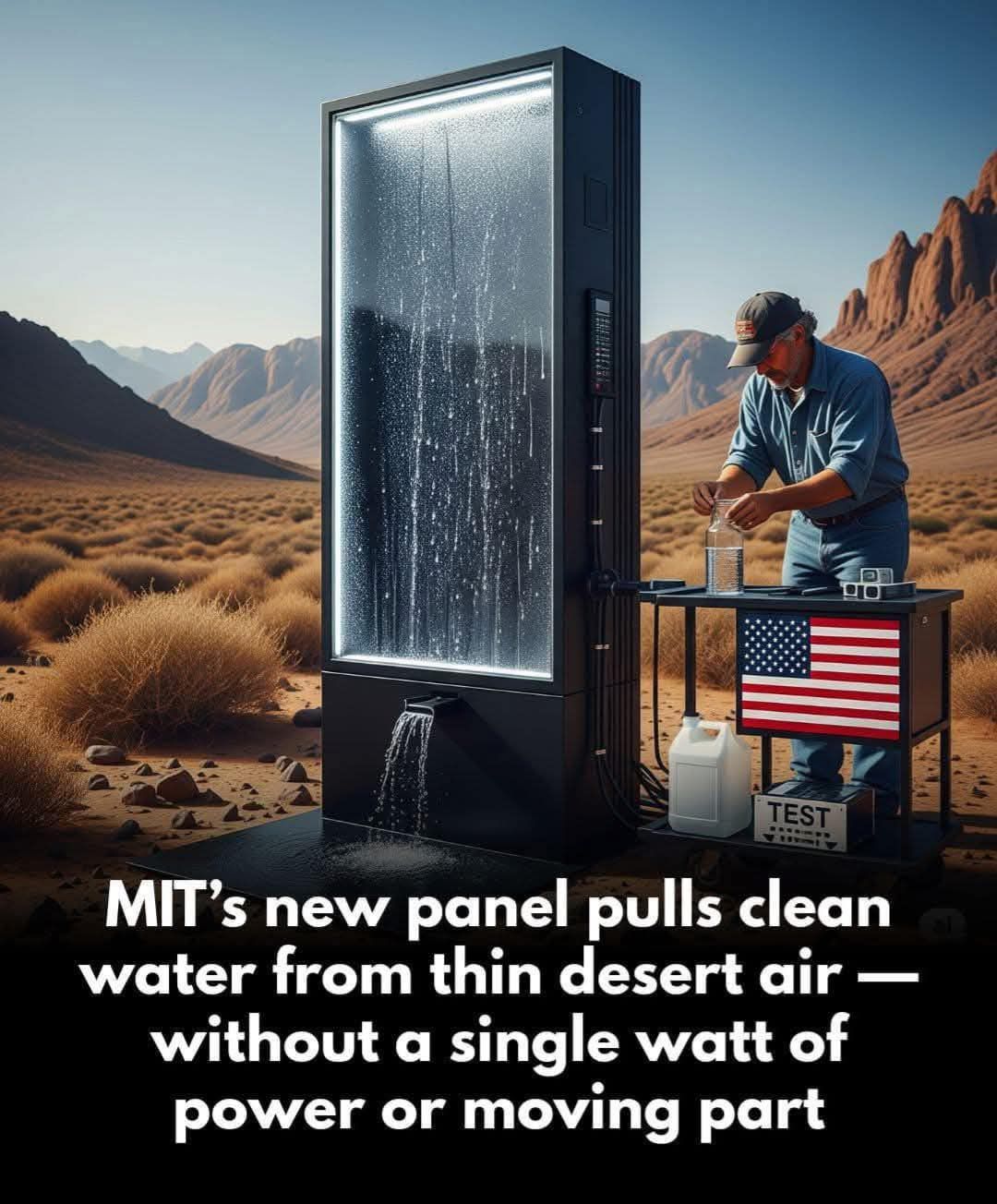
Hydrogels are remarkable materials known for their ability to absorb and retain large amounts of water. The type of hydrogels used for atmospheric water harvesting, like the one developed by MIT, are specifically engineered to not only absorb water vapor from the air but also to efficiently release it for collection as liquid water.
Here’s a breakdown of the kind of hydrogels that can absorb and “make” water in this context:
1. Hydrophilic Polymer Networks:
- At their core, hydrogels are three-dimensional networks of hydrophilic (water-attracting) polymers. These polymers are cross-linked, meaning they are chemically or physically bonded together to form a stable, insoluble gel structure.
- The hydrophilic groups (like hydroxyl, carboxyl, or amine groups) within the polymer chains have a strong affinity for water molecules, allowing the gel to swell significantly as it absorbs moisture.
2. Hygroscopic Additives (e.g., Lithium Chloride):
- To enhance their water absorption capabilities, especially in dry air, hydrogels used for atmospheric water harvesting are often infused with hygroscopic salts, such as lithium chloride (LiCl).
- Salts like LiCl are powerful desiccants, meaning they naturally attract and hold water molecules from the surrounding environment, even at low humidity levels.
- MIT’s research, in particular, focused on significantly increasing the amount of lithium chloride infused into the hydrogel (up to 24 grams of salt per gram of polymer) to achieve “record-breaking” vapor absorption.
3. Tuned Microstructure and Composition for Absorption and Release:
- Swelling and Deswelling: The hydrogels are designed to undergo reversible swelling and deswelling. They absorb water vapor from the air, expanding like a sponge. When heated (e.g., by sunlight), they release the absorbed water as vapor.
- Preventing Salt Leakage: A key innovation in the MIT hydrogel is the incorporation of glycerol. Glycerol is a liquid compound that helps stabilize the lithium salt within the hydrogel, preventing it from crystallizing and leaking out with the collected water. This ensures the collected water is safe for drinking, as salt levels remain below standard thresholds.
- Designed Porosity/Structure: While some hydrogels have micro or nano-pores that can lead to salt leakage, the MIT design specifically engineered the hydrogel’s microstructure to lack nanoscale pores, further limiting salt escape. Additionally, they molded the hydrogel into a “bubble wrap”-like pattern of small domes to increase surface area, optimizing water vapor absorption and release.
- Thermo-responsiveness: These “smart” hydrogels are often thermo-responsive, meaning their ability to absorb and release water is influenced by temperature. The MIT hydrogel, for instance, releases water efficiently when heated by the sun. Some hydrogels, like polyethylene glycol (PEG), have even shown an increase in water absorption as temperatures climb, due to a phase transformation in their microstructure.
In essence, the hydrogels capable of absorbing and “making” water are sophisticated polymeric materials, often enhanced with specific salts and designed with optimized structures to efficiently capture atmospheric moisture and then release it as clean liquid water through a controlled process, often driven passively by solar heat.
MITWaterDevice #WaterHarvesting #AtmosphericWaterGeneration #HydrogelTechnology #WaterScarcity #SustainableTech #CleanTech #DrinkingWater #OffGridSolutions #GlobalWaterCrisis #Innovation #Engineering #MaterialScience #ClimateChangeSolutions #ScientificBreakthrough

 Anti Deep State Party
Leave a comment