Methylene Blue: Miracle or Menace?

User Image

By Daniel J Leach Jr Social1776.com 09 Apr 2025

Methylene Blue: Uses and Risks Methylene Blue: A Comprehensive Overview of its Properties, Applications, and Regulatory Status

Click here: to buy now Ultra Methylene Blue
 From INFOWARS the Alex Jones store

  1. Introduction

Methylene Blue, also known by its chemical name methylthioninium chloride and commonly referred to as Swiss Blue, is a versatile compound with a rich history spanning over a century. Initially synthesized in 1876 by the German chemist Heinrich Caro, its primary application was as an aniline-based dye within the textile industry. The subsequent discovery of its unique properties led to its adoption in various scientific and medical fields, marking it as the “first fully synthetic drug used in medicine”. This report aims to provide a comprehensive overview of Methylene Blue, encompassing its chemical identity, fundamental properties, historical and current medical uses, ongoing scientific research into potential future applications, its diverse non-medical uses, potential health benefits that are still under investigation, the known risks and side effects associated with its use, and its legal and regulatory status within the United States.   

2. Chemical Identity and Fundamental Properties

2.1 Chemical Formula and Nomenclature

The chemical formula for Methylene Blue is  It is important to note that Methylene Blue can also exist in a hydrated form, which contains three molecules of water per unit of the compound. The International Union of Pure and Applied Chemistry (IUPAC) name for Methylene Blue is [7-(dimethylamino)phenothiazin-3-ylidene]-dimethylazanium;chloride. Beyond these formal designations, Methylene Blue is known by a variety of other common names and synonyms, including Methylthioninium chloride, Swiss Blue, Basic Blue 9, CI 52015, Urelene blue, Provayblue, Proveblue, and Methylenium ceruleum. Chemically, Methylene Blue is classified as a formal derivative of phenothiazine and belongs to the thiazine dye family. The existence of multiple names and the distinction between anhydrous and hydrated forms underscore the necessity for precision when referring to or utilizing this compound in both research and clinical settings. Subtle differences in these forms, such as solubility and stability, can influence its behavior and efficacy.   

2.2 Molecular Weight and Structure

The molar mass of anhydrous Methylene Blue is approximately 319.85 g/mol, while the trihydrate form has a molar mass of 373.9 g/mol. The molecular structure of Methylene Blue is characterized by three interconnected cyclic structures. A central phenothiazine ring system is linked to sulfur and nitrogen atoms, featuring dimethylamino groups at positions 3 and 7. The molecule carries a positive charge on a nitrogen atom, which is balanced by a chloride counterion. This structural arrangement classifies Methylene Blue as a cationic heterocyclic compound. A key feature of Methylene Blue is its redox activity, which allows it to exist in two primary forms: an oxidized state, which is blue in color, and a reduced state, known as leuco-methylene blue, which is colorless. This ability to readily accept and donate electrons is fundamental to many of its biological activities, including its established use in treating methemoglobinemia and its potential role in influencing mitochondrial function.   

2.3 Physical and Chemical Properties

At room temperature, Methylene Blue presents as a dark green crystalline powder, often exhibiting a bronze-like luster. When dissolved in polar solvents such as water or alcohol, it yields a characteristic deep blue solution. Its solubility varies across different solvents: it is readily soluble in water, glycerol, chloroform, glacial acetic acid, and ethanol; slightly soluble in pyridine; and practically insoluble in ethyl ether, oleic acid, and xylene. The specific solubility in water is reported to be around 4.36 g per 100 mL at 25°C. Notably, the solubility in solvents like DMSO and ethanol can be enhanced at elevated temperatures. The melting point of Methylene Blue is in the range of 100 to 110 °C, at which point it also begins to decompose , although some sources indicate a decomposition temperature closer to 180°C. When dissolved in water, Methylene Blue exhibits slightly acidic properties , with a 1% aqueous solution having a pH of approximately 6. The compound absorbs light maximally in the region of 664 to 670 nm. While generally stable under normal conditions, Methylene Blue is sensitive to light, which can lead to its degradation. The solubility profile of Methylene Blue is a critical factor influencing its administration and distribution within biological systems. Its light sensitivity has implications for its use in photodynamic therapy and necessitates careful storage to maintain its potency [Chain of thought: How it dissolves affects how it can be formulated (e.g., for injection vs. oral). Light degradation could impact the potency of stored solutions.].   

Table 1: Chemical and Physical Properties of Methylene Blue

PropertyValueSnippet IDs
Chemical FormulaCsub16/subHsub18/subClNsub3/subS 
IUPAC Name[7-(dimethylamino)phenothiazin-3-ylidene]-dimethylazanium;chloride 
Other Names/SynonymsMethylthioninium chloride, Swiss Blue, Basic Blue 9, CI 52015, etc. 
Molecular Weight (Anhydrous)319.85 g/mol 
Molecular Weight (Trihydrate)373.9 g/mol 
AppearanceDark green crystalline powder with a bronze-like luster 
Solubility in Water4.36 g/100 mL at 25°C 
Solubility in Other SolventsSoluble in glycerol, chloroform, glacial acetic acid, ethanol; slightly soluble in pyridine; insoluble in ethyl ether, oleic acid, xylene 
Melting Point100 to 110 °C (decomposes) 
Maximum Absorption Wavelength664-670 nm 

3. A Historical Perspective on Methylene Blue in Medicine

3.1 Early Discoveries and Applications

The journey of Methylene Blue from a textile dye to a significant medical agent began with its recognition as a valuable biological stain. In 1880, Robert Koch, a pioneer in microbiology, established its utility as a stain in medical applications, a finding corroborated and expanded upon by Paul Ehrlich. Ehrlich, in the 1890s, made a groundbreaking observation: Methylene Blue exhibited effectiveness against malaria parasites in human blood, marking it as the first fully synthetic drug to be successfully used in treating human illnesses. This discovery aligned with Ehrlich’s “magic bullet” theory, which posited that specific chemicals could selectively target and harm pathogens without damaging surrounding tissues, a revolutionary concept that laid the foundation for modern chemotherapy. During World War I, Methylene Blue also found application as an antiseptic for treating wounds, demonstrating its antimicrobial properties. It was, in fact, the first synthetic antiseptic to be used therapeutically. Historically, it was also employed in the treatment of gonorrhea and fever. These early applications highlight the initial promise and versatility of Methylene Blue in addressing various medical challenges.   

3.2 Treatment of Methemoglobinemia

A significant milestone in the medical history of Methylene Blue occurred in 1933 when it was discovered to be an effective antidote for aniline-induced methemoglobinemia by Williams and Challis. Methemoglobinemia is a condition characterized by an elevated level of methemoglobin in the blood, a form of hemoglobin that cannot effectively carry oxygen to the body’s tissues. Methylene Blue works by chemically reducing the ferric iron (Fesup3+/sup) present in methemoglobin back to the ferrous iron (Fesup2+/sup) state in hemoglobin, thereby restoring the blood’s oxygen-carrying capacity. This mechanism has established Methylene Blue as a crucial treatment for acquired methemoglobinemia, which can be caused by exposure to certain pharmaceuticals, toxins, or even broad beans in susceptible individuals. The effectiveness of Methylene Blue in this context is a testament to its direct and specific biochemical action on hemoglobin.   

3.3 Other Historical Uses

Beyond its roles in malaria treatment and methemoglobinemia, Methylene Blue has been explored for various other medical applications throughout history. It was once considered a weak antimalarial agent, but its use diminished with the advent of more potent drugs like chloroquine. However, the increasing prevalence of drug-resistant malaria has led to a renewed interest in Methylene Blue as a potential component of antimalarial treatment regimens. Similarly, Methylene Blue was historically recommended as an intestinal and urinary antiseptic, although this use is no longer prevalent. Nevertheless, some sources still mention its application in treating urinary tract infections. In 1933, Matilda Brooks discovered its potential as an antidote for both cyanide and carbon monoxide poisoning , although it is no longer the primary treatment for cyanide poisoning. Notably, Methylene Blue was also one of the first drugs used in the late 19th century for the treatment of patients with psychosis and played a role in the serendipitous development of phenothiazine antipsychotic drugs in the mid-20th century. The varied trajectory of Methylene Blue’s medical applications reflects the continuous advancements in pharmacological science and the development of more targeted therapies. The resurgence of interest in its antimalarial properties highlights the ongoing challenges posed by drug resistance.   

4. Current FDA-Approved Medical Applications of Methylene Blue

4.1 Treatment of Acquired Methemoglobinemia

The primary FDA-approved medical application of Methylene Blue is the treatment of acquired methemoglobinemia in both pediatric and adult patients. This approval underscores the established efficacy and safety of Methylene Blue for this specific condition. Several intravenous formulations are available, including ProvayBlue, which was the first methylene blue injection to receive FDA approval. Generic versions of methylene blue injection have also been approved by the FDA, enhancing the accessibility of this essential medication. The typical intravenous dosage for treating methemoglobinemia is 1 mg/kg of a 1% solution, administered slowly over a period of 5 to 30 minutes. If methemoglobin levels remain elevated or clinical signs persist, a repeat dose may be administered one hour after the initial dose. The FDA approval of Methylene Blue for methemoglobinemia signifies a robust body of evidence supporting its benefit in this critical medical situation.   

4.2 Diagnostic Aid

Methylene Blue is also FDA-approved for various diagnostic purposes, leveraging its staining properties to enhance visualization during medical procedures. One significant application is in sentinel lymph node mapping, a crucial technique used during breast surgery and other cancer surgeries to identify the lymph nodes most likely to contain cancerous cells. In this procedure, a typical dose of 2 mL or 5 mL of a 1% methylene blue solution is injected into the tissue near the tumor, allowing surgeons to visually trace the lymphatic drainage. Furthermore, Methylene Blue is employed as a dye in chromoendoscopy, where it is sprayed onto the mucosa of the gastrointestinal tract to aid in the identification of dysplasia, or pre-cancerous lesions. It is also utilized in endoscopic polypectomy as an adjunct to saline or epinephrine injection. Another diagnostic application involves the intravenous administration of Methylene Blue to assist in the identification of parathyroid glands during surgery. The dye stains the glands, making them easier for surgeons to locate. A typical dose for this purpose is 5 mg/mL given approximately one hour before the surgical procedure. Additionally, because intravenously injected Methylene Blue is readily excreted in the urine, it can be used to test for leaks or fistulas within the urinary tract. These diagnostic uses highlight the value of Methylene Blue’s staining properties in improving the precision and effectiveness of various medical and surgical procedures.   

4.3 Combination Drug for Urinary Tract Issues

Methylene Blue is also a component of several FDA-approved combination drugs, such as Hyophen, Methylphen, Urophen, and Urised. These medications are indicated for the symptomatic treatment of pain, burning, urgency, and frequency associated with cystitis, urethritis, and other urinary tract disorders. In these formulations, Methylene Blue is combined with other active ingredients like hyoscyamine, hexamethylenetetramine, phenyl salicylate, and benzoic acid. While Methylene Blue has a history of use as a mild urinary antiseptic, its current approved application in this context is within these multi-component drugs, suggesting a synergistic or complementary role in alleviating urinary tract symptoms.   

Table 2: Current FDA-Approved Medical Applications of Methylene Blue

IndicationRoute of AdministrationTypical DosageSpecific FDA Approval Details
Acquired MethemoglobinemiaIntravenous1 mg/kg of a 1% solution over 5-30 minutes, repeat dose if neededProvayBlue (first approved brand), generic versions available
Sentinel Lymph Node MappingIntraparenchymal2 mL or 5 mL of a 1% solution injected near the tumorUsed in breast surgery and other cancer surgeries
Visualization in Endoscopic ProceduresTopical (spray/injection)Varies depending on the procedureChromoendoscopy for dysplasia detection, endoscopic polypectomy
Parathyroid Gland IdentificationIntravenous5 mg/mL one hour before the procedureAids in locating parathyroid glands during surgery
Urinary Tract Leak DetectionIntravenousDosage not specifiedExcreted in urine to detect leaks or fistulas
Symptomatic Treatment of Urinary Tract PainOral (in combination drugs)Dosage determined by the specific combination productComponent of drugs like Hyophen, Methylphen, Urophen, Urised, which also contain hyoscyamine, hexamethylenetetramine, phenyl salicylate, and benzoic acid

Export to Sheets

5. Ongoing Scientific Studies and Potential Future Medical Uses of Methylene Blue

5.1 Neurodegenerative Disorders

Methylene Blue has garnered significant attention for its potential in treating various neurodegenerative disorders. Extensive research is underway to explore its effects on Alzheimer’s disease, with studies investigating its ability to inhibit the aggregation of tau proteins and reduce the formation of amyloid-beta plaques, both hallmarks of the disease. Some clinical trials, particularly those involving modified forms of Methylene Blue like LMTX (leuco-methylthioninium bis(hydromethanesulfonate)), have shown promising results in specific subgroups of patients. Lower doses of Methylene Blue have also been associated with enhanced cognitive function in some studies. However, it is important to note that several large-scale phase 3 clinical trials have not met their primary endpoints, indicating the need for further investigation to optimize dosing, formulations, and identify the patient populations that might benefit most. Preclinical studies also suggest that Methylene Blue may have neuroprotective effects in Parkinson’s disease by reducing oxidative stress and protecting dopaminergic neurons. Furthermore, its potential is being explored in other neuropsychiatric disorders, including bipolar disorder, claustrophobia, ifosfamide encephalopathy, and schizophrenia , as well as autism, depression, neurodegenerative diseases, and traumatic brain injury. A completed clinical trial indicates that intraoperative use of Methylene Blue may reduce postoperative delirium and cognitive dysfunction in elderly patients undergoing major noncardiac surgery. The ability of Methylene Blue to cross the blood-brain barrier and its potential to enhance mitochondrial function and act as an antioxidant are key reasons for its investigation in these neurological conditions [Chain of thought: While preclinical data is promising, translating these findings to consistent clinical benefits in complex neurodegenerative diseases is challenging and requires rigorous investigation.].   

5.2 Cancer Therapy

The role of Methylene Blue in cancer therapy is also an active area of research. Its potential in photodynamic therapy (PDT) is being explored as a means to selectively kill cancer cells. Preclinical studies have shown its effectiveness against various cancer types, including colorectal tumors, carcinoma, and melanoma , although results have been less promising in breast cancer and HeLa cell models. Clinical trials are investigating its efficacy in treating pain associated with oral mucositis in cancer patients. Researchers are also examining its potential to enhance the effectiveness of radiation therapy, particularly in making hypoxic tumor cells more susceptible to radiation. In animal models, Methylene Blue has shown promise as a metabolic therapy in restraining ovarian tumor growth. Additionally, its use in facilitating the evaluation of lymph nodes in colon cancer specimens is being studied. The photosensitizing properties of Methylene Blue, activated by light to produce cytotoxic singlet oxygen, and its potential to interfere with cancer cell metabolism are the basis for these investigations.   

5.3 Infectious Diseases

There is a renewed interest in Methylene Blue as an antimalarial agent, particularly in the face of increasing resistance to existing drugs. Studies are exploring its effectiveness against drug-resistant strains of malaria and its ability to prevent transmission by targeting the gametocyte stage of the parasite. Methylene Blue is also being investigated for its broad-spectrum antiviral activity, with potential applications against respiratory viral infections such as influenza and SARS-CoV-2. Experimental studies have demonstrated its inhibitory effects on viral replication. Its antimicrobial properties are also being researched in the context of treating bacterial infections, including urinary tract infections, and as a general disinfectant. Notably, laboratory studies suggest its effectiveness against persister biofilms, which are relevant to chronic infections like Lyme disease and Bartonella. Furthermore, Methylene Blue is used in some settings for decontaminating blood plasma products due to its antiviral and antibacterial properties. The diverse antimicrobial and antiviral activities of Methylene Blue, combined with its relatively low toxicity and cost, make it a promising candidate for addressing infectious diseases, especially in resource-limited settings and against emerging pathogens.   

5.4 Septic Shock and Vasoplegic Syndrome

Methylene Blue is under investigation for its potential to treat refractory hypotension in septic shock. Its mechanism of action involves inhibiting nitric oxide synthase and guanylate cyclase, which can help restore vascular tone. Clinical trials are currently ongoing to further evaluate its safety and efficacy in this context. Additionally, Methylene Blue is used off-label to increase blood pressure in individuals experiencing vasoplegic syndrome, a condition often occurring after cardiac surgery where blood pressure drops dangerously low and does not respond to standard treatments like epinephrine. Some studies suggest that early administration of Methylene Blue in patients with vasoplegic syndrome may improve survival rates. The ability of Methylene Blue to modulate nitric oxide pathways, which play a critical role in vasodilation, makes it a potential therapeutic option for managing these severe conditions.   

Table 3: Potential Future Medical Uses of Methylene Blue Under Investigation

Medical ConditionProposed Mechanism of ActionCurrent Status of ResearchKey Findings/Outcomes (if available)
Alzheimer’s DiseaseInhibits tau aggregation, reduces amyloid-beta plaques, enhances mitochondrial functionPreclinical and Clinical Trials (Phase 2/3)Mixed results in clinical trials, some promise in subgroups with modified forms and lower doses
Parkinson’s DiseaseNeuroprotective effects, reduces oxidative stress, protects dopaminergic neuronsPreclinical StudiesShows potential in animal models
Other Neuropsychiatric DisordersModulates neurotransmitter systems, reduces neuroinflammationPreclinical and Limited Clinical StudiesInvestigated for bipolar disorder, depression, traumatic brain injury, etc.
Cancer TherapyPhotodynamic therapy, enhances radiation sensitivity, disrupts cancer cell metabolismPreclinical and Early Clinical TrialsEffective against some cancer types in preclinical studies, being tested for oral mucositis pain
MalariaAntimalarial, targets drug-resistant strains, prevents transmission by targeting gametocytesPreclinical and Clinical StudiesShows promise against drug-resistant malaria
Viral Infections (e.g., Influenza, SARS-CoV-2)Inhibits viral replication, modulates immune responsePreclinical StudiesDemonstrates antiviral activity in laboratory settings
Bacterial Infections (e.g., Lyme, Bartonella)Antimicrobial, effective against persister biofilmsPreclinical and Anecdotal ReportsShows promise in laboratory studies and some clinical observations
Septic ShockInhibits nitric oxide synthase and guanylate cyclase, restores vascular toneClinical Trials (Phase 2/3)Some studies show improved hemodynamic parameters and reduced vasopressor requirements
Vasoplegic SyndromeInhibits nitric oxide synthase and guanylate cyclase, restores vascular toneOff-label use, Retrospective and Prospective StudiesEarly administration may improve survival after cardiac surgery

Export to Sheets

6. Explore Non-Medical Applications of Methylene Blue

6.1 Use in Aquariums

Methylene Blue finds application in the maintenance of aquariums, primarily as a disinfectant. It is commonly used to treat fungal infections that can affect fish and their eggs, as well as parasitic diseases such as ich (Ichthyophthirius multifiliis). Additionally, it can be effective against certain bacterial infections in fish. Beyond treating existing conditions, Methylene Blue can also aid in mitigating the toxicity caused by elevated levels of ammonia and nitrites in aquarium water, which can be harmful to aquatic life. Its antimicrobial properties, therefore, extend beyond medical contexts to play a role in maintaining the health and well-being of fish in aquariums.   

6.2 Dye in Textiles and Microscopy

Historically, Methylene Blue was first synthesized for use as a dye in the textile industry, particularly for coloring cotton and wool fabrics. Its strong and lasting blue hue made it a valuable component in textile manufacturing. In the realm of science, Methylene Blue is a widely employed biological stain in microscopy. It is used to enhance the visibility of cells, tissues, and microorganisms under a microscope, often staining negatively charged cell components such as nucleic acids. It is a component of important stains used in hematology and microbiology, including Wright’s stain and Jenner’s stain. The fundamental staining properties of Methylene Blue were crucial to its early scientific and industrial applications, highlighting its inherent affinity for biological materials.   

6.3 Redox Indicator in Chemistry

Methylene Blue is a well-known redox indicator in analytical chemistry. Solutions containing Methylene Blue will appear blue in the presence of an oxidizing environment. However, if exposed to a reducing agent, the solution will undergo a color change and become colorless as the Methylene Blue is reduced to its leuco form. This property is famously demonstrated in the “blue bottle” experiment, a classic demonstration of chemical kinetics. Methylene Blue is also utilized in sulfide analysis, where its reaction with hydrogen sulfide can be quantified. Additionally, it can function as an indicator for pH changes in certain applications. The reversible color change of Methylene Blue based on the redox state of its environment makes it a valuable tool for visualizing and studying chemical reactions involving electron transfer.   

6.4 Photosensitizer

Methylene Blue acts as a photosensitizer, meaning it can absorb light and transfer energy to oxygen, converting it into singlet oxygen, a highly reactive form. This property is harnessed in photodynamic therapy (PDT), where Methylene Blue, in conjunction with light exposure, is used to destroy target cells, such as cancer cells or microorganisms. The same principle is applied in the disinfection of blood plasma, where light-activated Methylene Blue can effectively kill certain viruses and bacteria, enhancing the safety of blood transfusions. This interaction with light to generate reactive oxygen species is a key aspect of its potential in targeted therapeutic applications.   

6.5 Other Uses

Beyond these primary non-medical applications, Methylene Blue has a variety of other uses. In the food industry, it is employed to test the freshness of milk and dairy products, where its reduction to a colorless form indicates low oxygen levels associated with spoilage. Its use in the textile industry for dyeing natural fibers like cotton, wool, and silk continues. In educational settings, Methylene Blue is a valuable tool for demonstrating redox reactions and chemical equilibrium, such as in the Blue Bottle Experiment, and for staining cells to facilitate microscopic observation by students. It also has applications in environmental science, where it can be used to demonstrate dissolved oxygen levels in water, illustrating concepts of water quality. In orthopedic surgery, Methylene Blue is sometimes added to bone cement to provide a visual distinction between the cement and native bone, and it can also accelerate the hardening process. Certain medical devices incorporate Methylene Blue as a visualization aid. Finally, it is used in construction and soil science to determine the methylene blue value of fine aggregate, an indicator of its clay mineral content. The sheer diversity of these non-medical applications underscores the multifaceted nature of Methylene Blue, stemming from its unique chemical and physical properties [Chain of thought: From industrial applications to educational demonstrations, its unique characteristics make it valuable in diverse fields.].   

7. Identify Any Potential Health Benefits of Methylene Blue That Are Not Yet Fully Established or Approved by Regulatory Bodies

7.1 Cognitive Enhancement and Anti-Aging

Emerging research suggests that Methylene Blue may possess potential health benefits beyond its currently approved medical uses, particularly in the areas of cognitive enhancement and anti-aging. Some studies indicate that it may have cognitive-enhancing effects, potentially improving memory and attention span. Animal studies have shown that Methylene Blue can improve age-related memory decline and enhance grip strength and spatial memory in older mice. These effects may be linked to its ability to enhance mitochondrial function in brain cells, which is crucial for energy production and overall cognitive health. Furthermore, Methylene Blue exhibits antioxidant properties that could protect cells, including neurons, against damage from oxidative stress, a process implicated in aging. While these findings from preclinical studies and some early-phase clinical trials are promising, more rigorous and large-scale clinical trials in humans are necessary to definitively establish these benefits and determine safe and effective dosages. It is important to note that over-the-counter Methylene Blue products marketed for cognitive enhancement or anti-aging are not currently regulated by the FDA, and their safety and efficacy have not been fully evaluated .   

7.2 Mental Health Support (Beyond Approved Uses)

Research is also exploring the potential of Methylene Blue in providing support for various mental health conditions beyond its historical use in psychosis. Some studies have investigated its use as an adjunct treatment for mood disorders such as depression and bipolar disorder. It is believed that Methylene Blue may influence the levels of certain neurotransmitters in the brain, including serotonin, norepinephrine, and acetylcholine, which play critical roles in mood regulation. Animal models have shown that Methylene Blue exhibits antidepressant-like activity. While these preliminary findings are encouraging, the use of Methylene Blue for mental health support is still considered investigational. Careful consideration of potential drug interactions, particularly with medications that affect serotonin levels, is essential due to Methylene Blue’s properties as a monoamine oxidase inhibitor .   

7.3 Lyme Disease and Co-infections

Some practitioners, particularly Lyme Literate Medical Doctors (LLMDs), are exploring the off-label use of Methylene Blue for the treatment of Lyme disease and associated co-infections, such as Bartonella. Anecdotal reports suggest that patients treated with Methylene Blue have experienced improvements in symptoms like fatigue, depression, and cognitive fog, which are commonly associated with these tick-borne illnesses. Laboratory studies have indicated that Methylene Blue possesses antimicrobial properties and may be particularly effective against persister biofilms, a form of bacterial growth that can be difficult to eradicate in Lyme disease and Bartonella infections. However, it is crucial to emphasize that these uses are not yet fully established or approved by regulatory bodies. Rigorous clinical trials in humans are needed to determine the efficacy and safety of Methylene Blue for the treatment of Lyme disease and co-infections.   

8. Research the Known Risks, Side Effects, and Contraindications Associated with the Use of Methylene Blue

8.1 Common Side Effects

The use of Methylene Blue is associated with several known side effects, the most common of which is a noticeable bluish-green discoloration of the urine and stool. Some individuals may experience pain in their limbs following intravenous administration. Gastrointestinal disturbances such as nausea, vomiting, diarrhea, and abdominal pain have also been reported. Other common side effects can include dizziness, confusion, and headaches , as well as staining of the mouth or teeth and an altered sense of taste. Some patients may also experience sweating , a burning sensation in the mouth and stomach , restlessness, apprehension, and an unusual taste sensation known as dysgeusia. It is important to note that Methylene Blue can transiently interfere with pulse oximeter readings, potentially leading to an underestimation of the actual oxygen saturation in the blood. Additionally, a decrease in the Bispectral Index (BIS), a measure of brain activity, has been observed following the administration of Methylene Blue during surgical procedures [Chain of thought: Many side effects are relatively mild and related to its properties as a dye and its biochemical actions. However, some can be more significant and require monitoring.].   

8.2 Serious Risks and Contraindications

While many side effects are mild, Methylene Blue carries the risk of several serious adverse events and has specific contraindications. One of the most significant risks is the development of serotonin syndrome, a potentially life-threatening condition that can occur when Methylene Blue is used in combination with other drugs that increase serotonin levels in the brain, such as selective serotonin reuptake inhibitors (SSRIs), serotonin-norepinephrine reuptake inhibitors (SNRIs), monoamine oxidase inhibitors (MAOIs), tricyclic antidepressants (TCAs), opioids, and dextromethorphan. Symptoms of serotonin syndrome can include mental status changes, muscle twitching, excessive sweating, shivering, diarrhea, loss of coordination, and fever. Therefore, the concomitant use of Methylene Blue with serotonergic drugs should be avoided. Another serious risk is hemolytic anemia, which is more likely to occur in individuals with glucose-6-phosphate dehydrogenase (G6PD) deficiency. In these patients, Methylene Blue is contraindicated due to the risk of severe hemolysis , which can lead to the formation of Heinz bodies, elevated bilirubin levels, and low haptoglobin. Paradoxically, high doses of Methylene Blue can actually induce methemoglobinemia, the very condition it is used to treat. The administration of Methylene Blue in neonates carries significant risks, including hyperbilirubinemia, respiratory depression, pulmonary edema, phototoxicity, and hemolytic anemia. Methylene Blue is also contraindicated in patients with a known history of hypersensitivity or anaphylactic reactions to it. Its use is contraindicated during pregnancy (FDA pregnancy category X) due to the potential for fetal harm , and it should be avoided by breastfeeding women. Elderly patients with impaired kidney function may require dosage adjustments , and it is contraindicated in cases of severe renal insufficiency. Caution is also advised when using Methylene Blue in patients with hepatic impairment. Beyond serotonergic drugs, Methylene Blue can interact with other medications, including those metabolized by cytochrome P450 enzymes. As a monoamine oxidase inhibitor, it can interact with various substances. It should not be used concurrently with dapsone. Furthermore, if sodium nitrite is used as an antidote for cyanide poisoning, Methylene Blue should not be administered to treat the resulting methemoglobinemia, as this can reduce cyanide binding and increase toxicity .   

Table 4: Known Risks, Side Effects, and Contraindications of Methylene Blue

CategorySpecific Risk/Side Effect/ContraindicationRelevant Notes/Conditions
Common Side EffectsBluish-green discoloration of urine and stoolExpected
Common Side EffectsLimb pain following IV administration 
Common Side EffectsNausea, vomiting, diarrhea, abdominal pain 
Common Side EffectsDizziness, confusion, headaches 
Common Side EffectsStained mouth or teeth 
Common Side EffectsAltered sense of taste 
Common Side EffectsSweating 
Common Side EffectsBurning sensation of the mouth and stomach 
Common Side EffectsRestlessness, apprehension, dysgeusia 
Common Side EffectsTransiently alters pulse oximeter readingsMay underestimate oxygen saturation
Common Side EffectsFall in Bispectral Index (BIS)During surgery
Serious RisksSerotonin SyndromeWith concomitant use of serotonergic drugs and opioids
Serious RisksHemolytic AnemiaEspecially in patients with G6PD deficiency
Serious RisksParadoxical MethemoglobinemiaAt high doses
Serious RisksNeonatal RisksHyperbilirubinemia, r

A 2007 Harvard Medical School study shows Marijuana cuts lung cancer tumor growth in half.

A 2007 Harvard Medical School study shows Marijuana cuts lung cancer tumor growth in half.

http://www.endalldisease.com/spain-study-confirms-hemp-oil-cures-cancer-without-side-effects/

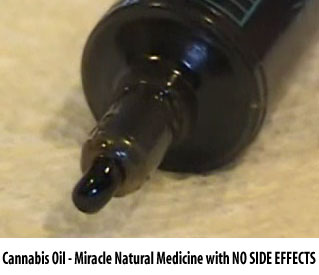
Spain Study Confirms Hemp Oil Cures Cancer without Side Effects

http://www.endalldisease.com

The medical science is strongly in favor of THC laden hemp oil as a primary cancer therapy, not just in a supportive role to control the side effects of chemotherapy.

The International Medical Veritas Association (IMVA) is putting hemp oil on its cancer protocol. It is a prioritized protocol list whose top five items are magnesium chloride, iodine, selenium,Alpha Lipoic Acid and sodium bicarbonate. It makes perfect sense to drop hemp oil right into the middle of this nutritional crossfire of anti cancer medicines, which are all available without prescription.

Hemp oil has long been recognised as one of the most versatile and beneficial substances known to man. Derived from hemp seeds (a member of the achene family of fruits) it has been regarded as a superfood due to its high essential fatty acid content and the unique ratio of omega3 to omega6 and gamma linolenic acid (GLA) – 2:5:1. Hemp oil, is known to contain up to 5% of pure GLA, a much higher concentration than any other plant, even higher than spirulina. For thousands of years, the hemp plant has been used in elixirs and medicinal teas because of its healing properties and now medical science is zeroing in on the properties of its active substances.

Both the commercial legal type of hemp oil and the illegal THC laden hemp oil are one of the most power-packed protein sources available in the plant kingdom. Its oil can be used in many nutritional and transdermal applications. In other chapters in my Winning the War on Cancer book we will discuss in-depth about GLA and cancer and also the interesting work of Dr. Johanna Budwig. She uses flax seed oil instead of hemp oil to cure cancer – through effecting changes in cell walls – using these omega3 and omega6 laden medicinal oils.

Actually there is another way to use medical marijuana without smoking the leaf. According to Dr. Tod H. Mikuriya, “The usual irritating and toxic breakdown products of burning utilized with smoking are totally avoided with vaporization. Extraction and inhaling cannabinoid essential oils below ignition temperature of both crude and refined cannabis products affords significant mitigation of irritation to the oral cavity, and tracheobronchial tree from pyrollytic breakdown products.[iii]

Rick Simpson, the man in the documentary below, has been making hemp oil and sharing it with friends and neighbors without charging for it. In small doses, he says, it makes you well without getting you high. “Well you can’t deny your own eyes can you?” Simpson asks. “Here’s someone dying of cancer and they’re not dying anymore. I don’t care if the medicine comes from a tomato plant, potato plant or a hemp plant, if the medicine is safe and helps and works, why not use it?” he asks.

When a person has cancer and is dying this question reaches a critical point. The bravery of Rick Simpson from Canada in showing us how to make hemp oil for ourselves offers many people a hope that should be increasingly appreciated as money dries up for expensive cancer treatments. We are going to need inexpensive medicines in the future and there is nothing better than the ones we can make reasonably cheaply ourselves.

For most people in the world it is illegal so the choice could come down to breaking the law or dying. There is no research to indicate what advantages oral use of hemp oil vs. vaporization but we can assume that advantage would be nutritional with oral intake. Dr. Budwig Below work would sustain this point of view especially for cancer patients.

The Science

According to Dr. Robert Ramer and Dr. Burkhard Hinz of the University of Rostock in Germany medical marijuana can be an effective treatment for cancer.[v] Their research was published in the Journal of the National Cancer Institute Advance Access on December 25th of 2007 in a paper entitled Inhibition of Cancer Cell Invasion by Cannabinoids via Increased Expression of Tissue Inhibitor of Matrix Metalloproteinases-1.

The biggest contribution of this breakthrough discovery, is that the expression of TIMP-1 was shown to be stimulated by cannabinoid receptor activation and to mediate the anti-invasive effect of cannabinoids. Prior to now the cellular mechanisms underlying this effect were unclear and the relevance of the findings to the behavior of tumor cells in vivo remains to be determined.

Marijuana cuts lung cancer tumor growth in half, a 2007 Harvard Medical School study shows.[vi] The active ingredient in marijuana cuts tumor growth in lung cancer in half and significantly reduces the ability of the cancer to spread, say researchers at Harvard University who tested the chemical in both lab and mouse studies.

This is the first set of experiments to show that the compound, Delta-tetrahydrocannabinol (THC), inhibits EGF-induced growth and migration in epidermal growth factor receptor (EGFR) expressing non-small cell lung cancer cell lines. Lung cancers that over-express EGFR are usually highly aggressive and resistant to chemotherapy. THC that targets cannabinoid receptors CB1 and CB2 is similar in function to endocannabinoids, which are cannabinoids that are naturally produced in the body and activate these receptors.

“The beauty of this study is that we are showing that a substance of abuse, if used prudently, may offer a new road to therapy against lung cancer,” said Anju Preet, Ph.D., a researcher in the Division of Experimental Medicine. Acting through cannabinoid receptors CB1 and CB2, endocannabinoids (as well as THC) are thought to play a role in variety of biological functions, including pain and anxiety control, and inflammation.

Researchers reported in the August 15, 2004 issue of Cancer Research, the journal of the American Association for Cancer Research, that marijuana’s constituents inhibited the spread of brain cancer in human tumor biopsies.[vii] In a related development, a research team from the University of South Florida further noted that THC can also selectively inhibit the activation and replication of gamma herpes viruses. The viruses, which can lie dormant for years within white blood cells before becoming active and spreading to other cells, are thought to increase one’s chances of developing cancers such as Kaposi’s Sarcoma, Burkitt’s lymphoma and Hodgkin’s disease.[viii]

In 1998, a research team at Madrid’s Complutense University discovered that THC can selectively induce programmed cell death in brain tumor cells without negatively impacting surrounding healthy cells. Then in 2000, they reported in the journal Nature Medicine that injections of synthetic THC eradicated malignant gliomas (brain tumors) in one-third of treated rats, and prolonged life in another third by six weeks.[ix]

Led by Dr. Manuel Guzman the Spanish team announced they had destroyed incurable brain cancer tumors in rats by injecting them with THC. They reported in the March 2002 issue of “Nature Medicine” that they injected the brains of 45 rats with cancer cells, producing tumors whose presence they confirmed through magnetic resonance imaging (MRI). On the 12th day they injected 15 of the rats with THC and 15 with Win-55,212-2 a synthetic compound similar to THC.[x]

Researchers at the University of Milan in Naples, Italy, reported in the Journal of Pharmacology and Experimental Therapeutics that non-psychoactive compounds in marijuana inhibited the growth of glioma cells in a dose-dependent manner, and selectively targeted and killed malignant cells through apoptosis. “Non-psychoactive CBD produce[s] a significant anti-tumor activity both in vitro and in vivo, thus suggesting a possible application of CBD as an antineoplastic agent.”[xi]

The first experiment documenting pot’s anti-tumor effects took place in 1974 at the Medical College of Virginia at the behest of the U.S. government. The results of that study, reported in an Aug. 18, 1974, Washington Post newspaper feature, were that marijuana’s psychoactive component, THC, “slowed the growth of lung cancers, breast cancers and a virus-induced leukemia in laboratory mice, and prolonged their lives by as much as 36 percent.”[xii]

Funded by the National Institute of Health to find evidence that marijuana damages the immune system, found instead that THC slowed the growth of three kinds of cancer in mice — lung and breast cancer, and a virus-induced leukemia. The DEA quickly shut down the Virginia study and all further cannabis/tumor research even though the researchers “found that THC slowed the growth of lung cancers, breast cancers and a virus-induced leukemia in laboratory mice, and prolonged their lives by as much as 36 percent.”

“Antineoplastic Activity of Cannabinoids,” an article in a 1975 Journal of the National Cancer Institute reports, “Lewis lung adenocarcinoma growth was retarded by the oral administration of tetrahydrocannabinol (THC) and cannabinol (CBN)” — two types of cannabinoids, a family of active components in marijuana. “Mice treated for 20 consecutive days with THC and CBN had reduced primary tumor size.”

Marijuana relieves pain that narcotics like morphine and OxyContin
have hardly any effect on, and could help ease suffering from
illnesses such as multiple sclerosis, diabetes and cancer.[xiii]

According to Devra Davis in her book Secret History of the War on Cancer, 1.5 million lives have been lost because Americans failed to act on existing knowledge about the environmental causes of cancer. It is impossible to calculate the added deaths from suppressed ‘cancer cures’ but we do know of the terrible suffering of hundreds of thousands of people who have been jailed for marijuana use.

Hemp oil with THC included has the making of a primary cancer treatment, which even alone seems to have a great chance of turning the tide against cancer tumors. It has the added advantage of safety, ease of use, lack of side effects and low cost if one makes it oneself. Surrounded by other medicinal anti-cancer substances in a full protocol it’s hard to imagine anyone failing and falling in their war on cancer.

THC should be included in every cancer protocol.

Sodium bicarbonate is another excellent anti tumor substance that reduces tumors but is much more difficult to administer than THC hemp oil. Cannabinoids are able to pass through all barriers in the body like Alpha Lipoic Acid so simple oral intake is sufficient. With bicarbonate we need intravenous applications and often even this is not sufficient, often we have to use catheters and few doctors in the world are willing to administer this way.

In the end all cancer treatments that are not promoted by mainstream oncology are illegal. No licensed doctor is going to claim that are curing cancer with sodium bicarbonate though they will treat people with cancer explaining they are balancing pH or some other metabolic profile with this common emergency room medicine found also most kitchens of the world. More than several states have passed laws making medical marijuana legal but the federal government will not relax and let people be free to choose their treatments even if their lives depend on it.

Davis notes that the cowardice of research scientists, who publish thoroughly referenced reports but pull their punches at the end, by claiming that more research needs to be done before action can be taken. Statements like these are exploited by industry that buys time to make much more money. It is a deliberate attempt that creates wholesale public doubt from small data gaps and remaining scientific uncertainties.

They have done that with everything right up to and including sunlight. Everything is thought to be dangerous except the pharmaceutical drugs which are the most dangerous substances of all. Stomach wrenching chemotherapy and the death principle of radiation are legal yet safe THC laden hemp oil is not.

It is legal for doctors to attack people with their poisons but you can go to jail for trying to save yourself or a loved one from cancer with the oil of a simple garden weed. Our civilization has put up with this insanity but there is a great price being paid. In a mad medical world people die that need not and this is a terrible sadness that has destroyed the integrity and ethics of modern medicine.

The science for the use of hemp oil is credible, specific fact-based, and is documented in detail.[xiv] There is absolutely no reason to not legalize medical marijuana and create an immediate production and distribution of THC hemp oil to cancer patients. Unfortunately we live in a world populated with governments and medical henchmen who would rather see people die cruel deaths then have access to a safe and effect cancer drug.

Meanwhile the Food and Drug Administration approved Genentech’s best-selling drug, Avastin, as a treatment for breast cancer, in a decision, according to the New York Times, “that appeared to lower the threshold somewhat for approval of certain cancer drugs. The big question was whether it was enough for a drug temporarily to stop cancer from worsening — as Avastin had done in a clinical trial — or was it necessary for a drug to enable patients to live longer, which Avastin had failed to do. Oncologists and patient advocates were divided, in part because of the drug’s sometimes severe side effects.”[xv]

The differences between Avastin and hemp oil are huge. First Avastin will earn Genentech hundreds of millions where THC hemp oil will earn no one anything. Second there are no severe or even mild side effects to taking hemp oil and lastly it is not a temporary answer but a real solution. Certainly hemp oil will ensure a longer life.

Source

Learn more with Books about the healing power of Cannabis:

     
 Too High to Fail: Cannabis and the New Green Economic Revolution  Marijuana Gateway to Health: How Cannabis Protects Us from Cancer and Alzheimer’s Disease  Understanding Marijuana: A New Look at the Scientific Evidence

All About DCA A Natural Holistic Cancer Cure

Dichloroacetic acid

From Wikipedia, the free encyclopedia
Dichloroacetic acid
Identifiers
CAS number 79-43-6  Yes
PubChem 6597
ChemSpider 10771217  Yes
UNII 9LSH52S3LQ  Yes
DrugBank DB08809
KEGG C11149  Yes
MeSH Dichloroacetate
ChEBI CHEBI:36386  Yes
ChEMBL CHEMBL13960  Yes
RTECS number AG6125000
Jmol-3D images Image 1
Properties
Molecular formula C2H2Cl2O2
Molar mass 128.94 g mol−1
Appearance Colorless liquid
Density 1.5634 g/cm3 (20 °C)
Melting point 9-11 °C, 282-284 K, 48-52 °F
Boiling point 194 °C, 467 K, 381 °F
Solubility in water miscible
Solubility miscible with ethanoldiethyl ether[1]
Acidity (pKa) 1.35[1]
Thermochemistry
Std enthalpy of
formation
 ΔfHo298
-496.3 kJ·mol-1[1]
Hazards
MSDS MSDS (jtbaker)
R-phrases R35 R50
S-phrases (S1/2) S26 S45 S61
NFPA 704
NFPA 704.svg
1
3
0
Related compounds
Related chloroacetic acids Chloroacetic acid
Trichloroacetic acid
Related compounds Acetic acid
Difluoroacetic acid
Dibromoacetic acid
 Yes (verify) (what is: Yes/?)
Except where noted otherwise, data are given for materials in their standard state (at 25 °C, 100 kPa)
Infobox references

Dichloroacetic acid, often abbreviated DCA, is the chemical compound with formulaCHCl2COOH. It is an acid, an analogue of acetic acid, in which two of the three hydrogenatoms of the methyl group have been replaced by chlorine atoms. The salts and esters of dichloroacetic acid are called dichloroacetates. Salts of DCA have been studied as potential drugs because they inhibit the enzyme pyruvate dehydrogenase kinase.[citation needed]

Contents

[hide]

[edit]Chemistry and occurrence

The chemistry of dichloroacetic acid is typical for halogenated organic acids. It is a member of the chloroacetic acids family. The dichloroacetate ion is produced when the acid is mixed with water. As an acid with a pKa of 1.35,[1] pure dichloroacetic acid is verycorrosive and extremely destructive to tissues of the mucous membranes and upper respiratory tract.[2]

DCA does not occur in nature. It is a trace product of the chlorination of drinking water and is produced by the metabolism of various chlorine-containing drugs or chemicals.[3] DCA is typically prepared by the reduction of trichloroacetic acid.

[edit]Therapeutic use

Owing to the highly corrosive action of the acid, only the salts of dichloroacetic acid are used therapeutically, including its sodium and potassium salts, sodium dichloroacetate and potassium dichloroacetate.

[edit]Lactic acidosis

The dichloroacetate ion stimulates the activity of the enzyme pyruvate dehydrogenase by inhibiting the enzyme pyruvate dehydrogenase kinase.[4] Thus, it decreases lactateproduction by shifting the metabolism of pyruvate from fermentation towards oxidation in the mitochondria. This property has led to trials of DCA for the treatment of lactic acidosisin humans.[5][6][7][8]

randomized controlled trial in children with congenital lactic acidosis found that while DCA was well tolerated, it was ineffective in improving clinical outcomes.[6] A separate trial of DCA in children with MELAS (a syndrome of inadequate mitochondrial function, leading to lactic acidosis) was halted early, as all 15 of the children receiving DCA experienced significant nerve toxicity without any evidence of benefit from the medication.[7] A randomized controlled trial of DCA in adults with lactic acidosis found that while DCA lowered blood lactate levels, it had no clinical benefit and did not improve hemodynamicsor survival.[8]

Thus, while early case reports and pre-clinical data suggested that DCA might be effective for lactic acidosis, subsequent controlled trials have found no clinical benefit of DCA in this setting. In addition, clinical trial subjects were incapable of continuing on DCA as a study medication owing to progressive toxicities.

[edit]Potential cancer applications

Cancer cells generally express increased glycolysis, because they rely on anaerobic respiration that occurs in the cytosol (lactic acid fermentation) rather than oxidative phosphorylation in the mitochondria for energy (the Warburg effect), as a result of hypoxia that exists in tumors and malfunctioning mitochondria.[9][10] Usually dangerously damaged cells kill themselves via apoptosis, a mechanism of self-destruction that involves mitochondria, but this mechanism fails in cancer cells.

A phase I study published in January 2007 by researchers at the University of Alberta, who had tested DCA on human[11] cancer cells grown in mice, found that DCA restored mitochondrial function, thus restoring apoptosis, allowing cancer cells to self-destruct and shrink the tumor.[12]

These results received extensive media attention, beginning with an article in New Scientist titled “Cheap, ‘safe’ drug kills most cancers”.[11] Subsequently, the American Cancer Society and other medical organizations have received a large volume of public interest and questions regarding DCA.[13] Clinical trials in humans with cancer have not been conducted in the USA and are not yet final in Canada, emphasizing the need for caution in interpreting the preliminary results.[13][14]

[edit]Results of phase II clinical trials

In in vitro studies, Evangelos Michelakis of University of Alberta found that in tissue samples from 49 patients, DCA caused depolarization of mitochondria in GBM tissue but not in healthy brain tissue.[15]

Five palliative patients with primary GBM were entered into a phase II trial. Three had not responded to several chemotherapies; two were newly diagnosed. After surgical removal of tumor mass, they were treated with DCA and chemotherapy.[15]

Of the five patients tested, one died after three months. The surviving four were followed for 15 months. Their Karnofsky scores were unchanged in two cases, and decreased by 10 points in two patients.[15]

DCA was associated with tumor regression and had a good safety profile. DCA side effects were minimal.[15]

Michelakis is proceeding with phase three human studies with private funding from philanthropic groups and individuals. DCA’s legal status as a discovery is public domain because it was made or discovered as far back as 1864[16] and has been used in the treatment of canine and human lactic acidosis, some who presented at the beginning of treatment with cancer.

[edit]Concerns about pre-trial use

Following its initial publication, The New Scientist later editorialized, “The drug may yet live up to its promise as an anti-cancer agent – clinical trials are expected to start soon. It may even spawn an entirely new class of anti-cancer drugs. For now, however, it remains experimental, never yet properly tested in a person with cancer. People who self-administer the drug are taking a very long shot and, unlikely as it may sound, could even make their health worse.”[17]

In 2010, it was found that for human colorectal tumours grown in mice, under hypoxic conditions, DCA decreased rather than increased apoptosis, resulting in enhanced growth of the tumours.[18] These findings suggest that at least in some cancer types DCA treatment could be detrimental to patient health, highlighting the need for further testing before it can be considered a safe and effective cancer treatment.[18]

[edit]Planned and ongoing clinical trials

DCA is non-patentable as a compound, though a patent has been filed for its use in cancer treatment.[19] Research by Evangelos Michelakis has received no support from the pharmaceutical industry.[20] Concerns have been raised that without strong intellectual property protection, the financial incentive for drug development is reduced, and therefore obtaining sufficient funds to conduct clinical trials presents difficulty.[11][13][14][21] However, other sources of funding exist; previous studies of DCA have been funded by government organizations such as the National Institutes of Health, the Food and Drug Administration, the Canadian Institutes of Health Researchand by private charities (e.g. the Muscular Dystrophy Association). Recognizing anticipated funding challenges, Michelakis’s lab took the unorthodox step of directly soliciting online donations to fund the research.[22] After 6 months, his lab had raised over $800,000, enough to fund a small Clinical Phase 2 study. Michelakis and Archer have applied for a patent on the use of DCA in the treatment of cancer.[19][23]

On 24 September 2007, the Department of Medicine of Alberta University reported that after the trial funding was secured, both the Alberta local ethics committee and Health Canada approved the first DCA clinical trial for cancer.[24] This initial trial was relatively small with enrollment of up to 50 patients. The trial was completed in August 2009.[25] In May 2010 the team published a press release[26]stating no conclusions could be drawn as a result of the trial. A paper describing the results was published[27] but not linked from the press release. Only five patients had been treated with the drug during the trial.

In May 2011, online reports[28] suggested that the Alberta group had released new data which the media “had not reported”. However, this appeared to be caused by confusion between dates (the previous update was May 2010[29]) and cancer charities moved quickly to counter these rumours,[30][31] which were subsequently covered in New Scientist magazine.[32]

The use of this compound as an anti-cancer agent has been patented.[33]

[edit]Side effects

Reports in the lay press after the 2007 University of Alberta announcement claim that dichloroacetate “has actually been used safely in humans for decades”,[34] DCA is generally well tolerated, even in children.[35] Short-term, infused, bolus doses of DCA at 50 mg/kg/day have been well tolerated.[36]

At sustained, higher doses(generally 25 mg/kg/day taken orally, or greater), there is increased risk of several reversible toxicities, especially peripheral neuropathyneurotoxicity, and gait disturbance.[4][34]

Studies have also shown that it can be carcinogenic in male B6C3F1 mice at high doses.[37]

[edit]Neuropathy

A clinical trial where DCA was given to patients of MELAS (a form of genetically inherited lactic acidosis) at 25 mg/kg/day was ended prematurely due to excessive peripheral nerve toxicity.[38] Dichloroacetate can also have anxiolytic or sedative effects.[3]

Animal studies suggest that the neuropathy and neurotoxicity during chronic dichloroacetate treatment may be partly due to depletion of thiamine, and thiamine supplementation in rats reduced these effects.[39] However, more recent studies in humans suggest that peripheral neuropathy is a common side effect during chronic DCA treatment, even with coadministration of oral thiamine.[40][41] An additional study reported that 50 mg/kg/day DCA treatment resulted in unsteady gait and lethargy in two patients, with symptoms occurring after one month for one patient and two months for the second. Gait disturbance and consciousness were recovered with cessation of DCA, however sensory nerve action potentials did not recover in one month.[42]

It has been reported that animals and patients treated with DCA have elevated levels of delta-aminolevulinic acid (delta-ALA) in the urine. A study published in 2008 suggests that this product may be the cause of the neurotoxic side effect of DCA by blocking peripheralmyelin formation.[43]

[edit]Carcinogenicity

Long term use (three years or more) of high doses (> 77 mg/kg/day) of DCA has been shown to increase risk of liver cancer in mice.[37]Studies of the trichloroethylene (TCE) metabolites dichloroacetic acid (DCA), trichloroacetic acid (TCA), and chloral hydrate suggest that both DCA and TCA are involved in TCE-induced liver tumorigenesis and that many DCA effects are consistent with conditions that increase the risk of liver cancer in humans.[44] It should be noted here that the maximum recommended dose for cancer treatment is 20mg/kg/day (less than 1/3rd of the 77mg/kg/day shown to increase liver cancer risk in mice).

[edit]Self-medication

The promise of DCA as a cheap, effective and safe treatment for cancer generated a great deal of public interest. Many people turned to self-medication.[45][46]

Doctors warned of potential problems if people attempt to try DCA outside a controlled clinical trial. “If it starts going badly, who is following you before it gets out of control? By the time you realize your liver is failing, you’re in big trouble”, said Laura Shanner, Associate Professor of Health Ethics at the University of Alberta.[47]

[edit]References

  1. a b c d Haynes, William M., ed. (2011). CRC Handbook of Chemistry and Physics (92nd ed.). CRC Press.ISBN 1439855110.
  2. ^ J.T. Baker MSDS
  3. a b Stacpoole P, Henderson G, Yan Z, James M (1998).“Clinical pharmacology and toxicology of dichloroacetate”.Environ Health Perspect 106 Suppl 4: 989–994.doi:10.2307/3434142 . JSTOR 3434142 . PMC 1533324.PMID 9703483.
  4. a b Stacpoole PW (1989). “The pharmacology of dichloroacetate”. Metabolism 38 (11): 1124–1144.doi:10.1016/0026-0495(89)90051-6 . PMID 2554095.
  5. ^ Stacpoole P, Lorenz A, Thomas R, Harman E (1988). “Dichloroacetate in the treatment of lactic acidosis”. Ann Intern Med 108 (1): 58–63. PMID 3337517.
  6. a b Stacpoole P, Kerr D, Barnes C, Bunch S, Carney P, Fennell E, Felitsyn N, Gilmore R, Greer M, Henderson G, Hutson A, Neiberger R, O’Brien R, Perkins L, Quisling R, Shroads A, Shuster J, Silverstein J, Theriaque D, Valenstein E (2006). “Controlled clinical trial of dichloroacetate for treatment of congenital lactic acidosis in children”. Pediatrics 117 (5): 1519–1531. doi:10.1542/peds.2005-1226 . PMID 16651305.
  7. a b Kaufmann P, Engelstad K, Wei Y, Jhung S, Sano M, Shungu D, Millar W, Hong X, Gooch C, Mao X, Pascual J, Hirano M, Stacpoole P, DiMauro S, De Vivo D (2006). “Dichloroacetate causes toxic neuropathy in MELAS: a randomized, controlled clinical trial”. Neurology 66 (3): 324–330.doi:10.1212/01.wnl.0000196641.05913.27 .PMID 16476929.
  8. a b Stacpoole P, Wright E, Baumgartner T, Bersin R, Buchalter S, Curry S, Duncan C, Harman E, Henderson G, Jenkinson S (1992). “A controlled clinical trial of dichloroacetate for treatment of lactic acidosis in adults. The Dichloroacetate-Lactic Acidosis Study Group”. N Engl J Med 327 (22): 1564–1569.doi:10.1056/NEJM199211263272204 . PMID 1435883.
  9. ^ Xu R, Pelicano H, Zhou Y, Carew J, Feng L, Bhalla K, Keating M, Huang P (2005). “Inhibition of glycolysis in cancer cells: a novel strategy to overcome drug resistance associated with mitochondrial respiratory defect and hypoxia”. Cancer Res 65(2): 613–21. PMID 15695406.
  10. ^ Kim JW, Dang CV (2006). “Cancer’s molecular sweet tooth and the Warburg effect” . Cancer Res. 66 (18): 8927–8930.doi:10.1158/0008-5472.CAN-06-1501 . PMID 16982728.
  11. a b c “Cheap, ‘safe’ drug kills most cancers” . New Scientist. 2007-01-17. Retrieved 2007-01-17.
  12. ^ Bonnet, Sébastien; Archer, Stephen L.; Allalunis-Turner, Joan; Haromy, Alois; Beaulieu, Christian; Thompson, Richard; Lee, Christopher T.; Lopaschuk, Gary D. et al. (2007). “A Mitochondria-K+ Channel Axis Is Suppressed in Cancer and Its Normalization Promotes Apoptosis and Inhibits Cancer Growth”. Cancer Cell 11 (1): 37–51.doi:10.1016/j.ccr.2006.10.020 . PMID 17222789.
  13. a b c “DCA: Cancer Breakthrough or Urban Legend?”  FromABC News, 5 February 2007. Accessed 15 February 2007.
  14. a b “No Wonder Drug” , letter to New Scientist from Ralph Moss Lemont. Published February 3, 2007. Accessed 16 February 2007.
  15. a b c d Michelakis, E. D.; Sutendra, G.; Dromparis, P.; Webster, L.; Haromy, A.; Niven, E.; Maguire, C.; Gammer, T. L. et al. (2010). “Metabolic Modulation of Glioblastoma with Dichloroacetate” . Sci Transl Med 2 (31): 31ra34–31ra34.doi:10.1126/scitranslmed.3000677 . PMID 20463368.
  16. ^ T. E. (Thomas Edward) Thorpe. A Dictionary of Applied Chemistry. Vol. 3. Page 9 of 189 at http://www.ebooksread.com/authors-eng/t-e-thomas-edward-thorpe/a-dictionary-of-applied-chemistry-volume-3-hci/page-9-a-dictionary-of-applied-chemistry-volume-3-hci.shtml
  17. ^ “Editorial: Gambling with your life” , New Scientist, 31 March 2007
  18. a b Shahrzad, Siranoush; Lacombe, Kristen; Adamcic, Una; Minhas, Kanwal; Coomber, Brenda L. (November 2010). “Sodium dichloroacetate (DCA) reduces apoptosis in colorectal tumor hypoxia”. Cancer Letters 297 (1): 75–83.doi:10.1016/j.canlet.2010.04.027 . PMID 20537792.
  19. a b “CTV.ca: Researchers launch website on new cancer research” . CTV News.
  20. ^ “CTV.ca: Small molecule offers hope for cancer treatment” . CTV News. Retrieved 21 April 2012.
  21. ^ “Small molecule offers big hope against cancer” , by Ryan Smith. From ExpressNews, a University of Alberta publication. Published January 16, 2007. Accessed 15 February 2007.
  22. ^ Official University of Alberta DCA Site
  23. ^ A Method of Treating Cancer Using Dichloroacetate , Application to the European Patent Office, 19 October 2006
  24. ^http://www.dca.med.ualberta.ca/Home/Updates/letter_092407.pdf , 24 September 2007
  25. ^ The Safety and Efficacy of DCA for the Treatment of Brain Cancer , ClinicalTrials.gov identifier: NCT00540176
  26. ^ Outlook 2008 , Tufts Center for the Study of Drug Development
  27. ^ Michelakis, ED; Sutendra, G; Dromparis, P; Webster, L; Haromy, A; Niven, E; Maguire, C; Gammer, TL et al. (2010). “Metabolic modulation of glioblastoma with dichloroacetate”.Science translational medicine 2 (31): 31ra34–31ra34.doi:10.1126/scitranslmed.3000677 . PMID 20463368.
  28. ^ The Cure for Cancer Has Been Found and is Purposely Being Ignored  – Technorati blog (accessed 16/05/2011)
  29. ^ DCA Research Team publishes results of Clinical Trials  – University of Alberta website
  30. ^ Potential cancer drug DCA tested in early trials  – Cancer Research UK science blog
  31. ^ @CR_UK tweet  – tweeted 16/05/11
  32. ^ Cancer drug resurfaces and threatens false optimism  – New Scientist, 16 May 2011
  33. ^ US 8071645 , Newell, M. Karen; Newell, Evan & Villalobos-Menuey, Elizabeth, “Systems and methods for treating human inflammatory and proliferative diseases and wounds, with fatty acid metabolism inhibitors and/or glycolytic inhibitors”
  34. a b Picard, André (2007-01-17). “Long-used drug shows new promise for cancer” . Toronto: The Globe and Mail. Retrieved 2007-01-17.
  35. ^ Pearson H; Kurtz, TL; Han, Z; Langaee, T (2008). “Role of dichloroacetate in the treatment of genetic mitochondrial diseases”. Adv Drug Deliv Rev. 60 (13,14): 1478–1487.doi:10.1016/j.addr.2008.02.014 . PMID 18647626.
  36. ^ Agbenyega T, Planche T, Bedu-Addo G, Ansong D, Owusu-Ofori A, Bhattaram VA, Nagaraja NV, Shroads AL, Henderson GN, Hutson AD, Derendorf H, Krishna S, Stacpoole PW (2003). “Population kinetics, efficacy, and safety of dichloroacetate for lactic acidosis due to severe malaria in children”. J Clin Pharmacol. 43 (4): 386–396.doi:10.1177/0091270003251392 . PMID 12723459.
  37. a b DeAngelo AB, Daniel FB, Stober JA, Olson GR (1991). “The carcinogenicity of dichloroacetic acid in the male B6C3F1 mouse”. Fundam Appl Toxicol. 16 (2): 337–347.doi:10.1016/0272-0590(91)90118-N . PMID 2055364.
  38. ^ Kaufmann P, Engelstad K, Wei Y et al. (2006). “Dichloroacetate causes toxic neuropathy in MELAS: a randomized, controlled clinical trial”. Neurology 66 (3): 324–330. doi:10.1212/01.wnl.0000196641.05913.27 .PMID 16476929.
  39. ^ Stacpoole P, Harwood H, Cameron D, Curry S, Samuelson D, Cornwell P, Sauberlich H (1990). “Chronic toxicity of dichloroacetate: possible relation to thiamine deficiency in rats”.Fundam Appl Toxicol 14 (2): 327–37. doi:10.1016/0272-0590(90)90212-3 . PMID 2318357.
  40. ^ Kurlemann G, Paetzke I, Moller H, Masur H, Schuierer G, Weglage J, Koch HG (1995). “Therapy of complex I deficiency: peripheral neuropathy during dichloroacetate therapy”. Eur J Pediatr 154 (11): 928–32. doi:10.1007/BF01957508 .PMID 8582409.
  41. ^ Spruijt L, Naviaux RK, McGowan KA, Nyhan WL, Sheean G, Haas RH, Barshop BA (2001). “Nerve conduction changes in patients with mitochondrial diseases treated with dichloroacetate”. Muscle Nerve 24 (7): 916–24.doi:10.1002/mus.1089 . PMID 11410919.
  42. ^ Oishi K, Yoshioka M, Ozawa R, Yamamoto T, Oya Y, Ogawa M, Kawai M (2003). “Dichloroacetate treatment for adult patients with mitochondrial disease”. Rinsho Shinkeigaku 43 (4): 154–61. PMID 12892050.
  43. ^ Felitsyn, N; McLeod, C; Shroads, AL; Stacpoole, PW; Notterpek, L (2008). “The heme precursor delta-aminolevulinate blocks peripheral myelin formation”Journal of Neurochemistry 106 (5): 2068–2079. doi:10.1111/j.1471-4159.2008.05552.x . PMC 2574579PMID 18665889.
  44. ^ Caldwell JC, Keshava N (September 2006). “Key issues in the modes of action and effects of trichloroethylene metabolites for liver and kidney tumorigenesis” . Environ. Health Perspect.114 (9): 1457–63. PMC 1570066PMID 16966105.
  45. ^ Pearson, Helen (2007). “Cancer patients opt for unapproved drug”. Nature 446 (7135): 474–475. doi:10.1038/446474a .PMID 17392750.
  46. ^ Interview: Would you try an untested cancer drug? , New Scientist, August 15, 2007
  47. ^ Andrea Sands (March 18, 2007). “Experts caution against patients compiling own data on unapproved cancer drug” . Edmonton Journal.

[edit]External links

  • International Chemical Safety Card 0868
  • CTV.ca News Staff (16 January 2007). “Small molecule offers hope for cancer treatment” . CTV.ca Website (CTV television network). Retrieved 2007-01-31.
  • DCA Research Information Website  (University of Alberta)
  • Wait for Clinical Trials , New Scientist, 24 February 2007
  • Potential cancer drug DCA tested in early trials , by Cancer Research UK
  • Interviewing Drs. Akbar and Humaira Khan about DCA
  • Cancer Biology – Cramping Tumors  Economist, January 18, 2007
  • Official University of Alberta DCA (dichloroacetate) Website , The University of Alberta Discovery. March 15, 2007
  • Dichloroacetate Orders

    Telephone Orders: 1-347-535-4322 (New York area)
    We are VERY busy, if you get the answering machine leave your name and phone number, we will call you back.

    UPDATE we now have DCA in capsules
    333 mg per capsule, Click To Buy DCA

    dichloroacetate-cancer
    60 Day DCA Treatment Kit is now available in the DCA Store

    What’s New With Dichloroacetate?

    February 2012 Video added “Using a Scale to Measure DCA
    August 31, 2011 Doctor Flavin, M.D. read his letter Doctor Flavin’s letter
    March 20, 2011 Read how one person beat cancer using DCA.
    May 12, 2010 Latest Positive DCA Clinical Trials and More! Visit the University of Alberta  (the university site is currently down, try this link to read about the doctor )

    Recent Medical Research at a Canadian University has confirmed that scientists do understand the cause of cancer. The dying off of old cells to be replaced by new cells is a normal part of our cellular lifecycle and keeps us well. It seems that in cancerous cells, our body has forgotten how to tell the aged cells how to die off and be replaced by healthy new cells. This process is governed by the mitochondria and is known as “cell death” or “apoptosis”. In a cancer cell, the mitochondria has lost the ability to direct the cell to die off – the sick cell becomes “immortal”, spreading and making the person increasingly unwell. Recent Medical trials using Pure DCA have proven this compound can reactivate the mitochondria restoring the cell’s original function of “apoptosis” enabling shrinkage in tumor size and mass. Testimonials have shown reversal in illness, remission, clean health tests, increased health and vitality. Favourable results (scientifically measurable) have been accomplished within days (less than a week) of starting treatment with Pure DCA.

    “Dr. Evangelos Michelakis, a professor at the U of A Department of Medicine, has shown that dichloroacetate (DCA) causes regression in several cancers, including lung, breast, and brain tumors.

    Sodium dichloroacetate offered by PureDCA.com is more than 99% pure. It is made using a sophisticated synthesis process. No organic solvents are used during the production. WE SHIP DCA WORLDWIDE.

    We are working with Doctors around the world but also service individual orders for Pure DCA for those looking for an alternative cancer treatment. You do NOT need a prescription.

    We ship dichloroacetate internationally, with no exceptions. We are a reliable source of sodium dichloroacetate (Pure DCA). Buy sodium dichloroacetate.

    Below you can find a description of the main sections of this website.

    Pure DCA Store

    • Buy DCA Online or by Telephone
    • Pure DCA Powder is available in 3 sizes: 20 grams, 50 grams, and 100 grams
    • Pure DCA in Capsules (333mg)
    • Pure Powdered Thiamine (Vitamin B1)
    • Pure NAC Powder (N-Acetyle L-Cysteine)
    • Medicinal dosing scales also available

    Pure DCA Information
    The main facts about sodium dichloroacetate, pure DCA

    Questions
    Frequently Asked Questions

    Contact Us

    Dichloroacetate has been used in recent human trials and was found to shrink tumors. These trials were done by a university and their results have been published for anyone to read about the dichloroacetate cancer connection. The link to the universities dichloroacetate  study.

All About the Cancer Cure by Dr. Burzynski using Antineoplaston Therapy

Documentary on Stanislaw R. Burzynski’s revolutionary cancer cure treatment based on his discovery on the mechanics of cancer, which lead him to the creation of the Antineoplaston Therapy. Dr. Burzynski’s Therapy has successfully cured thousands of terminal cancer patients for the last 30 years and has demonstrated to be 3 to 5 times more effective than the conventional chemotherapy and radiation treatments.

In spite of the success of his therapy, he has faced the prosecution of big pharma and the FDA which has tried to stop his therapy from spreading in the United States.


Visit the Burzynski Clinic and learn more about the ANP Therapy here:
http://www.burzynskiclinic.com

Man Made Apathetic Ignorant Zombie Cats don’t Judge Me!

It’s looking like more and more everyday like we are living in the end of days!  From the Bullying of a 68 year old, Greece NY School Bus Monitor , Fluoride in the tap water, GMO Cancer causing foods, Micro chipping of whole countries to the Agnda 21 Global depopulation plan!  The Bible says that God destroyed the Earth the first time because the people where Evil all the time!  “And God saw, that the wickednes of man was great in the earth, and that every imagination of the thoughts of his heart was only evil continually..”  Genesis 6:5  Are we as a world on the verge of total depravity, is there any hope for man kind will we be given a reprieve like the city of Nineveh that was given a second chance or shale we suffer like the City’s of Sodom and Gomorrah to be burned by fire?

 You see I live in Rochester NY the place that the Bullying of a 68 year old, Greece NY School Bus Monitor took place and it seems like no big deal to people like its just another story in the News!  This is asham I am ashamed of New York State and its state of affairs! Looks like Brave New Schools (Satan’s public school system) is working overtime!   “Danno, like the saying goes”Don’t Judge Me Until You Have Walked In My Shoes”. There ya go, blog about how judgemental people are! You know my situation! Don’t even get me started on that one!” Jenny Conley  If some one would teach these children not to be so judgmental then this kinda thing would not be happening!  Just get them disciplined!

People have forgotten how to care they are afraid of the government or  they think that someone is going to call the Cops if they step out of line and say that those rotten ass kids should get all their asses beaten by a big wooden spoon or the belt.  DCFS Monsters! (CPS are as ruthless as Al Capone’s gang!) I got a whopped when I was a kid  and so did lots of other kids!  I’m not talking about child abuse I’m talking about a good old fashion wood shed moment!  “Do not withhold discipline from a child; if you strike him with a rod, he will not die. If you strike him with the rod, you will save his soul from Sheol.”Proverbs 23:13-14   It look like these kid were left alone by the government parents  “The rod and reproof give wisdom, but a child left to himself brings shame to his mother.” Proverbs 29:15 “Whoever spares the rod hates his son, but he who loves him is diligent to discipline him.” Proverbs 13:24

We need to go back to our roots back to the good old days!  Back to when if you screwed up you would have the fear of God in your heart knowing you were going to feel the pain on your ASS as dad or mom laid a hand on you bare ASS!

“If a man has a stubborn and rebellious son who will not obey the voice of his father or the voice of his mother, and, though they discipline him, will not listen to them, then his father and his mother shall take hold of him and bring him out to the elders of his city at the gate of the place where he lives, and they shall say to the elders of his city, ‘This our son is stubborn and rebellious; he will not obey our voice; he is a glutton and a drunkard.’ Then all the men of the city shall stone him to death with stones. So you shall purge the evil from your midst, and all Israel shall hear, and fear. Deuteronomy 21:18-21

I’m not saying that we as a society should kill the rebelling child but that we as a community are responsible for the actions of each other.  Yes I believe we are are Brothers Keeper! If we are to be the keepers of our brother then it is our duty to see that these children are disciplined!  “For he is God’s servant for your good. But if you do wrong, be afraid, for he does not bear the sword in vain. For he is the servant of God, an avenger who carries out God’s wrath on the wrongdoer.” Romans 13:4

Hebrews 12:6-7 For the Lord disciplines the one he loves, and chastises every son whom he receives.” It is for discipline that you have to endure. God is treating you as sons. For what son is there whom his father does not discipline?

You see their is The Attack Against the Family by bad people in positions of power high up in the government elected by “tax paying cattle”  Mario Colunio “Cattle that are abused” Casper Jim  “The family is going to have to be destroyed for the New World Order to completely develop.” DEVILUTION: Evolution, Communism, and the NWO!  this is how Modern Psychology Subverts Education and Harms Children! “Professing themselves to be wise, they became fools.” —Romans 1:22

William Benton, Assistant U.S. Secretary of State at UNESCO 1946:

(UNESCO is the United Nations Education, Science and Cultural Organization)

“As long as a child breathes the poisoned air of nationalism, education in world-mindedness can produce only precarious results. As we have pointed out, it is frequently the family that infects the child with extreme nationalism.

The schools therefore use the means described earlier to combat family attitudes that favor jingoism (nationalism)…we shall presently recognize in nationalism the major obstacle to development of world mindedness.

We are at the beginning of a long process of breaking down the walls of national sovereignty. UNESCO must be the pioneer.” (Emphasis mine throughout)

In case you didn’t know, the 10th plank of Karl Marx’s Communist Manifesto called for a “public school system.” its all in the book Deliberately Dumbing Us Down! (download book for free) Get Your Kid Out Of Public School! most Public Schools Not Good Enough for Teacher’s Kids so why is it good enough for your kids? ‘Parents’ No Longer Recognized By Schools Say Goodbye to Your Children America! (the UN wants your kids!) State Brainwashing Children To “Re-Educate” Their Parents For Green Dictatorship Eco Spy Kids (Kids are being trained at public schools to spy on their parents and report you!) Teach Your Child Well! (It is the parent’s responsibility to teach their children, NOT the school nor the government!)

“The thing that made America refined and cultured and decent and honorable was the Gospel of Jesus Christ. And if we leave that, it doesn’t matter how many degrees we have, how many colleges, how many universities. Listen! If you leave the salt out, you can’t have salt, you can’t savor. So we have left out that which has savored, and now we find ourselves a heathen nation.

Look! We are just as lawless today as they were in Wyatt Earp’s day. Isn’t that true? Listen, twenty years ago when we heard of what was going on in South America and Europe, with the demonstrations and riots and folk being shot in the streets and a person’s life endangered when he got outside his own house, we thought of pagan, heathen countries doing that. And we were right. Nations are pagan and heathen when they do that. Now the honest truth is, we face tonight a moral breakdown and deterioration, and we face paganism and anarchy. Why? Because we have followed the time-tested pattern of deterioration. Enough of that.”  by Pastor Jack Hyles (1926-2001)

People all around me seem to be in a Zombie like state of mind “the docility of the tap water drinkers. ;)”   Mario Colunio  Can you say Fluoride! “Oh yeah, fluoridated everything it seems anymore. The city of Wichita, Ks. is trying to sell it to the public as the best available option to cleanse their water supply, the totally ignorant people will go for it I am sure …. and when it comes to the bottled water everyone just seems to need so badly, no one knows how high an amount of fluoride or anything else is being added to it, as bottled water is totally unregulated !!” Nicholas Petty  Its as though people are willfully ignorant and do not care to know the truth”The apathy of the ignorant :)” Nicholas Petty

The good news it that (NaturalNews) The year 2011 just might go down in history as the year that initiated the end of artificial water fluoridation. Nearly three million people living in 37 different North America communities will no longer be forcibly medicated with synthetic fluoride chemicals via their public water supplies, thanks to a groundswell of dedicated citizens and city council members that fought popular myths about fluoride with scientific truth — and won! Hundreds of brave dentists speak out against water fluoridation  from around the world, many of whom formerly supported water fluoridation, are now boldly.  ofwater fluoridation, when so many cities and towns across the US removed it!
Learn more: http://www.naturalnews.com/034489_fluoridation_communities_water_supply.html#ixzz1yadI194x

We have all seen Science Fiction movies about mad scientist trying to control the world!  Well there have been annual international science meetings on the brain chip – the first one being held at Loyola University, Louisiana, in 2001. Scientists attending these meetings have said that the brain chip is ready, and that it is now just a matter of conditioning the public to accept them. They said that one way in which this would be achieved – not could be, would be – is by having them programmed in and promoted in movies, books and children’s TV shows . We have had movies like The Final Cut, Total Recall, and The Manchurian Candidate featuring brain chips. And in 2006 we saw James Bond being chipped in Casino Royale, although not with a brain chip – yet!

There are many other movies featuring microchip implants, to varying degrees e.g. Demolition Man, A Beautiful Mind, and other movies featuring brain chips e.g. Johnny Mnemonic, South Park The Movie. There have also been movies incorporating technology which interacts with the brain to create an alternate reality e.g. eXistenZ, The Lawnmower Man and The Matrix trilogy.

Are people being tricked into being like the  man made Zombie Cats?  There is an agenda to have the population implanted with microchips, and ultimately, with brain chips that control your every thought and action! Most people don’t even realise that they are actually witnessing a long-term agenda unfolding in their own lifetime.   Mind control through Trauma and microwave frequencies is a reality today  Here is proof they could see through a Cats eyes long ago.  Their brain functions can be remotely monitored by supercomputers and with the help of satellites, (or even without the microchip, according to the latest technology Again Mind control by U.S. Government “Hey Daniel, it may be a it late for this, but here goes anyway ………….
Trans-humanism, it fits in well with Zombie Cats :) Little did people know that the movie ” The Island of Dr. Moreau ” is actually true (Plum Island) !!!!”Nicholas Petty  Yes is true friends United Nations Envisions Transhumanist Future Where Man is Obsolete sounds Crazy but these people are crazy!

Again the Bible predicts this vary thing our world and society is faced with, its the vary decision to sell your soul to the Satan?

This section Copied from: www.heavenquestions.com

The Food and Drug Administration gave its approval for an implantable microchip to be used for medical purposes.  This paves the way for the prophecies in the Bible’s Book of Revelation which foretold about a coming mark that would be put into everyone’s right hand or forehead.  The book of Revelation was written by John the Prophet about 2000 years ago and now the technology has come out in the last few years to make this happen.

This will be the One World Leaders Mark, also called the AntiChrist Mark, or the Mark of the Beast, and all those who receive it will be doomed to hell, with no turning back, once you have received his Mark!  If you do not receive his mark, you will not be allowed to buy or sell anything!  Then, the World Ruler will begin to put people to death for not receiving his mark, perhaps because you will be labeled a radical or a terrorist!  The Bible warns us that those of our own households will turn against us.  The Bible also talks about a deceiving spirit that will cause unbelievers to harden their hearts against anyone who tries to warn them against receiving the Mark in their right hand or their forehead.

Then Micah offers some good advice for those left behind.  Or those still alive during this time!

Micah 7:5-7: Do not trust in a friend; do not put your confidence in a guide (leader). Guard the doors of your mouth from her that lies in your bosom. For the son dishonors the father, the daughter rises against her mother, the daughter-in-law against her mother-in-law; a man’s enemies are the men of his own house. Therefore I will look to the Lord; I will wait for the God of my salvation; my God will hear me.

More than 30 countries, from Italy to Malaysia, have already introduced “smart” ID cards such as this one. Foreign visitors who now visit the United States are expected to have this kind of card to be able to enter the country.  Bible says that God destroyed the Earth the first time

It was reported in the January 9, 2007 issue of “The Canadian” in an article by Lucien Desjardins that doctors in the United States and Europe are secretly moving to have the microchip implanted in newborns. It was revealed by a Dr. Kilde that then Prime Minister Olof Palme of Sweden had already given permission back in 1973 to implant prisoners, and Data Inspection’s ex-Director General Jan Freese revealed that nursing-home patients were implanted in the mid-1980s.

One bad thing about having a microchip implanted in oneself is that fact that you could then be followed anywhere in the world. According to Dr. Kilde, “Today’s microchips operate by means of low-frequency radio waves that target them. With the help of satellites, the implanted person can be tracked anywhere on the globe.” According to Dr. Kilde, brain functions can also be remotely monitored by supercomputers and even altered through the changing of frequencies.  

Last but not least the USA Terminator drones because they love you so much they need to protect you from the bad man! Those who would give up essential liberty to purchase a little temporary safety deserve neither liberty nor safety. Benjamin Franklin,  Yea that about says it all!  In Genesis, God clearly told Adam and Eve, and then Noah and his family to go forth and multiply to fill the earth. Nowhere in the Bible does God rescind that clearly spoken commandment.  The Drones are all part of the Agenda 21 depopulation plan for the best solutions information you must find:  Doyel Shamley http://www.hourofthetime.com/wordpresstest/?p=5848

Doyel Shamley – Host
hourofthetime@hotmail.com

Agenda 21… The ‘Planned’ Depopulation Project… It’s Happening at Stealth Speed… Right Before Your Eyes!

 AN EXAMPLE OF THE ENIGMATIC MURALS LOCATED THROUGHOUT THE MAIN TERMINAL AT THE DENVER NEW WORLD AIRPORT. THIS ONE LOCATED BY A BAGGAGE CLAIM PORTRAYS A FUTURISTIC MILITARISTIC FIGURE WEARING A GAS MASK AND OPPRESSING AN ENDLESS LINE OF DISTRAUGHT PEOPLE. CHEMICAL WARFARE, MARTIAL LAW, INNUMERABLE DEAD CHILDREN…WHAT IS THERE NOT TO LIKE ABOUT THIS PICTURE? WHY DOES THE TERM TERMINAL TAKE ON SUCH A SPOOKY CONNOTATION AT THE DENVER AIRPORT???

Yes, I know all this sounds like a plot from a science fiction novel.  But it is actually real.  178 nations have signed on to Agenda 21.  “Eco-prophets” such as Al Gore travel all over the world teaching us how wonderful “sustainable development” will be.  This agenda is being pushed in our schools, at our universities, on our televisions and in our movies.

So exactly what is Agenda 21?  The following is how the United Nations defines Agenda 21….

Agenda 21 is a comprehensive plan of action to be taken globally, nationally and locally by organizations of the United Nations System, Governments, and Major Groups in every area in which human impacts on the environment.

When you start doing deep research into Agenda 21, you will find that describing it as a “comprehensive plan” is an understatement.  Virtually all forms of human activity impact the environment.  The rabid “environmentalists” behind the green agenda intend to take all human activity and put it into a box called “sustainable development”.

One of the key elements of “sustainable development” is population control.  The United Nations (along with radical “environmental” leaders such as Al Gore) actually believes that there are far too many people on earth.

So what is the solution?

Sadly, they actually believe that we need to start reducing the population.

Agenda 21

THE GEORGIA MISGUIDE STONES 

1984=1776

Why should you Care?

Our mission is to defend the US ConstitutionBill of Rights, “life, liberty and the pursuit of happiness” by the way of grassroots Educational campaigns and political activity.


America must remain Independent!

Say NO to Global Governance!

Say NO to Agenda 21!


Agenda 21 gives the United Nations the

Right to Global Governance of the

United States of America.

This action will terminate your rights to

Freedom of Choice

“Individual rights will have to take a back seat to the collective.” Harvey Ruvin, Vice Chairman, ICLEI. The Wildlands Project Is this guy talking about America? Yes, sadly he is!
Educate yourself Say NO to AGENDA 21! It’s coming to a town near you!

“Participating in a UN advocated planning process would very likely bring out many of the conspiracy- fixated groups and individuals in our society… This segment of our society who fear ‘one-world government’ and a UN invasion of the United Statesthrough which our individual freedom would be stripped away would actively work to defeat any elected official who joined ‘the conspiracy’ by undertaking LA21. So we call our process something else, such as Sustainable development, comprehensive planning, growth management or smart growth.” J. Gary Lawrence, advisor to President Clinton’s Council on Sustainable Development.


What can You Do?

1. Educate fellow Americans, Reprint this brochure hand out!

2. Join Anti New World Order Party Contact, Your DC Reps

3. Network, Organize, and Show up at Town Halls to Voice your opinions!

4. 1(585)236-9858 or AntiNWOParty@yahoo.com

Doyel Shamley – Host of hour of the time!
hourofthetime@hotmail.com

http://www.facebook.com/AntiNWOParty

Neurology and Mind Control:

people.bethel.edu/~kisrob/hon301k/project/Final/mind_control.htmMind control is a very apparent and quickly developing area of science, one that merits … studiesÉdone in a remote situation'” (Budiansky, Goode, and Gest, 1994). … The area of microchip identification is an area of neurology that has been commercially implemented in the status quo through animal and pet identification.

Mind Justice – Targeted Individuals

mindjustice.org/victims.htm
AULT cite as 67 F.R.D. 124 (1974): Electromagnetic and Mind Control  1960s claim ofmind control experiment; 2006 Book, Remote Control, The Battle For Your  The tiny surge of electricity in the cat’s hypothalamus, a part of the limbic ….. Mind control, Microwave and electromagnetics frequencies, Injectable Microchips .

Satellite »MIND CONTROL« – Bioelectric Weapons « blomblad i 

blombladivinden.wordpress.com/…/satellite-mindcontrol-bioelectric-…
Jul 18, 2011 – The term “Mind control” basically means covert attempts to influence the thoughts  This is actually a very sophisticated form of remote technological torture that  They use Echelon, Tempest, microchips, implants, see through wall radar, harmonics (which have been used as a mind control technique), ..


Mind control through Trauma and microwave frequencies is a reality today  Here is proof they could see through a Cats eyes long ago and when ever ….. Their brain functions can be remotely monitored by supercomputers and …. With the help of satellites, (or even without the microchip, according to the latest technology) 

345 Ground Zero workers have died of cancer and other CANCER-STRICKEN Ground Zero workers have finally received a compensation checks – for zero dollars.

The city recently settled lawsuits by 10,000 WTC workers, more than 600 of whom have developed cancer. But officials have so far insisted there is no scientific proof that Ground Zero smoke and dust caused cancer.

An FDNY spokesman gave a statement for Dr. Prezant, saying: ‘The study is ongoing, and no conclusions have been reached on whether cancer rates have increased for firefighters.’ But fire union bosses in New York have expressed their concern about the findings.

Al Hagan, head of the fire-officers union, told the New York Post: ‘I’m led to believe that the numbers for those cancers across all ranks in the Fire Department of people who worked at Ground Zero is up significantly, and we’re all very concerned about it, as are our families.’ Steve Cassidy, president of the firefighters union, said Ground Zero’s ‘toxic stew’ has proven lethal. He said: ‘It’s a fact that New York City firefighters are dying of cancer in record numbers. ‘We have buried 10 firefighters in just the last 15 weeks, seven with cancer. On Sept. 10, 2001, they were young, healthy firefighters.’

In 2007, doctors at Mt. Sinai Medical Center, which monitors World Trade Center rescue workers, noted blood cancers like multiple myeloma, which normally strikes in the 60s or 70s, were being found in relatively young officers.

The New York state Health Department has confirmed that 345 Ground Zero workers have died of various cancers as of June 2010.

http://www.dailymail.co.uk/news/article-1373108/9-11-fi…
———

Are these cancers all from toxins in the dust? You know what else causes high rates of cancer?

Every potential client considering a contingent fee agreement with a lawyer should first consider this story about a worker who spent hundreds of hours cleaning up the “ground zero” site in New York City after the 9/11/01 terror attacks.  He was steered to a NY law firm which is handling 10,000 such claims, so he probably assumed they knew what they were doing.  They twisted his arm to get him to accept a settlement for just $10K, all of which went to the firm’s fees, unitemized firm expenses, and paying back a small amount of his workman’s compensation benefits, leaving him, literally, with a check for $0.00, totally broke, and now diagnosed with life-threatening cancer:

CANCER-STRICKEN Ground Zero worker Edgar Galvis has finally received a compensation cheque – for zero dollars.

The man … was relieved to get a cheque in the mail for his court settlement with Merrill Lynch, whose offices he had cleaned.

But he was stunned when he saw the amount: $0.00.

His award had been $10,005, but his lawyers at the firm Worby, Groner, Edelman & Napoli Bern lopped off $2579 for unitemised legal expenses.

Then they took a 33.3 per cent fee of $2124. They also subtracted $352, a fee to the lawyer who referred him.

The remaining $4950 was withheld for unspecified “liens”, the letter says.

Mr Galvis thinks this was repayment of workers’ compensation for aid.

…”I couldn’t believe it. I thought it was a joke.”…In May 2005, a friend gave him a business card passed out by the law firm. A representative came to his home.

“The man told me that more than likely I will get sick and I would get 60 per cent of whatever he won,” Mr Galvis said.

“He even mentioned the words ‘millions of dollars’.”

In April 2010, he got a $10,000 offer. A letter from the law firm said he could expect about $5000 after expenses and fees.

It warned that if his case went to trial and he lost, he could owe the firm up to $100,000 in costs.

He took the settlement.  [Apparently the settlement was based on losing sleep and sinus problems, but then he was diagnosed with cancer, but the firm told him] it was “too late” to adjust his claim.  [Sounds odd to me.]

The total Merrill settlement came to $18 million for about 400 clients, documents show.

Galvis is one of nearly 10,000 Ground Zero workers represented by Napoli Bern, which led talks for a separate settlement with the city for $712 million. A partner in the firm, Paul Napoli, did not respond to a request for comment.

Lawyers working on a contingent fee basis can’t make money spending lots of time on small claims, which is what they thought this was when they settled it.  (There’s even a chance the expenses aren’t real, just another profit center.)  Even though they knew the client might get sicker — they even predicted it — they sold him out, pressured him to settle, and apparently didn’t make any effort to amend or restart the proceedings to protect his interests once he got sicker.  Settling for $10K, given his financial situation, even if he got to keep the whole $10K, wouldn’t solve any of his problems — but for the firm, assuming they spent little or no time on a matter, you can make $50 million if you make roughly $5K each on 10K cases.

A particularly dirty tactic was to threaten the client with an absurdly inflated amount for expenses to go to trial — not something they mentioned up front, apparently.  The primary expense in this sort of case is usually expert medical testimony, but this shouldn’t cost anything close to $100K and it wouldn’t make sense for the firm to recommend settlement without already having an expert opinion.  More reasonable contingent fee lawyers eat the expenses rather than bankrupt the clients they fail to help.  (This is one of the firms that also earned international disdain for the amount of money they demanded for “legal fees” from the government fund created to help the first responders, etc., who took well over half the money — including payments to government lawyers — and didn’t try a single case.  I gather they’ve been paid hundreds of millions of dollars and haven’t even come close to trying a single case.)

Lawyers doing contingent fee work often resort to the same sorts of tactics to woo clients that are used by used car salespeople and con men.  This happens every day with many of the contingent fee mills.  You need to shop around, make a record of what they tell you before and after you sign, and complain to the police and bar if you believe you’ve been taken advantage of.

In this case, the plaintiff’s lawyer rendered a far more valuable service to Merrill Lynch, which dodged a multi-million dollar bullet thanks to their opponent’s professional advisers.  We’ll have to see whether the authorities in New York decide to step in — not likely based on their track record.

Australian Story: Cancer-stricken Ground Zero worker receives compensation cheque for 0$.

All About Sovereign Silver The Good The Bad The Ugly!

Sovereign Silver Solution
Anti New World Order Party

By: Daniel J Leach

I recently started to use Sovereign Silver and I can say that I have noticed a positive difference.  I would call it Natures Viagra or energy supplement!  I also tried using it when I was sick with a sour throat and was better with in days not weeks!   So I can say with my personal experience Yes to the Good for you in a short term!   I did not use the recommended dose I would use far less.  I used 1/2 a tea spoon twice a day, once in the morning and once at night before bed and that would be about it!

Now for the Bad news about Sovereign Silver it can Kill you if you do not know what your doing.  I would say consult your doctor before using Silver products!

Colloidal silver’s proponents will often leave-out the reason why it’s no longer in use by doctors: silver can build-up in your body, make you sick and even kill you. There is a report available online of a 71 year old man who died after taking colloidal silver orally for four months. Here is an excerpt of the report: It seems that some important facts about the 71 year old man who died were left out. My understanding was that he was on pharmaceutical medications that he had just come off of to start taking the colloidal silver. His reactions were consistent for anyone coming off those types of medicines too quickly.

“Department of Clinical Neurological Sciences, University of Western Ontario, London, Ontario, Canada. The authors report a case of a 71-year-old man who developed myoclonic status epilepticus and coma after daily ingestion of colloidal silver for 4 months resulting in high levels of silver in plasma, erythrocytes, and CSF. Despite plasmapheresis, he remained in a persistent vegetative state until his death 5.5 months later. Silver products can cause irreversible neurologic toxicity associated with poor outcome.”.

The Ugly is can turn Blue like a smurf?

One of the most obvious signs of silver-poisoning is that your skin turns a blueish color. Oh, by the way, this change of color is usually permanent. This condition is called Argyria.

There is a Libertarian Party politician in Montana, named Stan Jones, who took homemade colloidal silver, out of fear that theYear 2000 “problem” that had panic-stricken dupes predicting the end of the modern world as we know it, would make modern antibiotics unavailable. So, he self-medicated himself with colloidal silver and it made his skin turn a blue-gray. Here’s a picture I found of him on the Internet. I swear I didn’t doctor it:

What most of the mainstream media conveniently fail to report is that Paul Karason took homemade colloidal silver which he contaminated with salt and drank over a quart a day for years. Despite that, he was given a clean bill of health from Mount Sinai hospital after he had a checkup at the request of the Today Show he appeared on.

Likely no one has consumed more silver, even in the wrong form, than Karason and despite his cosmetic skin condition his clean bill of health stands as a stark refutation to the charges that silver causes harm.

The fact is that millions of people around the world use colloidal silver and yet there are precious few reports of any harm and the blue skin condition known as Argyria is quite rare. In virtually every instance where it is found the cause can be traced to heavy injestion of a product that is not true colloidal silver.

Properly prescribed and administered mainstream drugs, including antibiotics, kill as many as 120,000 people each year by the admission of the American Medical Association.

The main reason that silver fell out of favor was the advent of antibiotics which were patentable and thus much more highly profitable. Likewise, the main reason that colloidal silver is targeted by the trillion dollar a year world pharma empire, mainstream medicine and the media and agencies beholden to them is the threat it represents to the billions of dollars of profits they make from those antibiotics and treatment of conditions colloidal silver remedies.

Calling it a conspiracy would not be inaccurate.

Millions are estimated to use Silver products from top colloidal and ionic silver companies that I am familiar with. Still, where are all the smurfs and where is evidence of all the harm?

There are a grand total of 16 mentions of colloidal silver and argyria in all the voluminous PubMed references.  When you remove the homemade ionic silver and the colloidal silver protein that is not really colloidal silver, then you end up with only a handful that might be colloidal silver.

When I tracked down rare reported incidents of Argyria due to ingestion of alleged colloidal silver I have invariably found that it turned out to be contaminated homemade ionic silver, so-called colloidal silver protein (which is particles to large to suspend without protein – and skin has an affinity for protein) or an ionic silver product with far too high ppm silver content.

Bad homemade CS is NOT ‘contaminated ionic silver suspended in protein’. (No-one makes MSP at home). Bad homemade CS is just colloidal silver made in impure water that has been ‘generated’ for too long. Put simply it causes argyria because its way too strong. Paul Karosan and Stan Jones both made that mistake. Paul Karosan continues to do so for some strange reason. (The other famous argyria victim and anti-colloidal silver campaigner, Rosemary Jacobs, actually never drank colloidal silver in her life. She took highly concentrated silver nitrate nose drops (probably around 30,000 ppm) every day for 3 or 4 years when she was about 11. Read her story and she admits this).

The reports at PubMed ranged from bluish fingernail cuticles to one report of death of a 71 year old man, which may or may not have been actual colloidal silver. Just for grins, do a search for “antibiotic side effect deaths”. That returns 675 reports.

Of course Natural News had ads for colloidal silver and colloidal silver makers – the ads are Google ads, which key in on words and phrases in each article the same way Google does with gmail accounts when you send and receive emails. If you went to an article about cancer, you would see ads for cancer treatments.

Now, if you want to say that some products which are labeled as colloidal silver might be dangerous or ineffective, I might agree. Otherwise, it is MY belief that some people make a practice of labeling anything that is not a mainstream approved drug as quackery.

i think the “conspiracy” angle is quite valid. except i’d put it another way. a large industry looking after it’s interests.

There is a general trend to have too much faith in modern medicine. people think its way more advanced then it is. Most people have adopted an attitude that science will save them, but for most people it’s really about healthy lifestyle choices.

There is not much to back up the toxic effects of silver. We use it in silverware, drinking pitchers, jewelry. sure anything can be toxic in huge does.

Iv tried it and found out for myself when I think of all the crap I’ve wasted money on over the years…$35 ain’t much. I really can’t remember the last time a doctor helped me and that wasn’t cheap.  More People are killed at hospitals by bad medicine than anything natural.

The reason that deaths from approved drugs are well-known is that such incidents are documented in medical records and there are very real punishments meted-out if anyone tries to cover them up.

The so called Quacks always have an out by simply stating that their product is simply a supplement. The problem with alternative medicine is that most of the aftereffects upon its users are not documented by anyone. Their deaths or complications to their conditions resulting from foregoing standard medical treatment in favor of quacks is merely listed by the resulting condition (e.g. cancer spreads, poisoning, etc) so the effects of quackery aren’t as well-documented, beyond certain articles. Most people who sell these products sure as hell aren’t going to warn anyone about whatever side effects their product’s use might cause. That would be bad for sales and sales are all most company’s really care about.

If I’m cutting into some one’s pocketbook by publishing this, then that’s just too bad.

The bottom line is that silver does work and work very well and there really is very little evidence of harm from properly made and ingested true colloidal silver.

If it did not work, why do you suppose NASA uses it to purify the astronauts drinking water?  Its a fact that CS is used to sterilize water in Mir space vehicles and the International space station. http://books.nap.edu/openbook.php?record_id=10942&page=324 There’s perfectly credible science behind this. We are not talking about pyramids and crystals.  Or Potters for Peace uses it purify drinking water in third world countries?


drawing and photo of water filter
http://pottersforpeace.org/wp-content/uploads/colloidal-silver.pdf

Dietary Supplement

The Sovereign Silver Difference

  • Actively Charged
    As corroborated by several universities, Sovereign Silver contains 96% positively charged silver particles [Ag(n)+], making it at least 34 times more powerful than other brands.
  • Easily Absorbed
    Sovereign Silver’s unprecedented particle size of 0.8 nanometers (validated by Transmission Electron Microscopy) allows for easy absorption and excretion from the body.
  • Less Is More
    The smaller the particle size, the greater the surface area and the higher the efficiency. That’s why even with a low concentration of 10 ppm, Sovereign Silver is still much more effective than brands which contain up to 500 ppm!
  • Perfectly Safe
    Sovereign Silver is formulated to be safe for the whole family. Taken 7 times a day for 70 years, Sovereign Silver still falls below the EPA daily Oral Silver Reference Dose (RfD).
  • 99.999% Pure
    Sovereign Silver has only two ingredients: pure silver and pharmaceutical grade  purified water. It does not contain added salts or proteins that render other silver products less effective. Plus, It is packaged in non leaching glass bottles to guarantee purity throughout it’s shelf life.

For thousands of years, silver has played an essential role in safeguarding human health. In fact, until 1938, colloidal silver silver water  the preferred choice of physicians for empowering the immune system and stimulating the body’s innate healing processes*

Today, as more people embrace natural ways to maintain their health and well being, silver is experiencing a resurgence in popularity. And Sovereign Silver is leading the way. By developing technologically advanced refinements in the production of silver colloids, Sovereign Silver Bio Active Silver Hydrosol delivers advantages no other manufacturer can match.

For details call 1-888-328-8840

Made In USA

*These statements have not been evaluated by the Food and Drug Administration. These products are not intended to diagnose, treat, cure or prevent any disease.

Directions

Adults: 1 teaspoon, hold under tongue for 30 seconds, then swallow.

Children 4 years & older: 1/2 teaspoon.

Guidelines:

  • Maintenance: Once daily.
  • Immune Building: 3 times daily.
  • Long Term Immune Support: 5 times daily
  • Short term immune support: 7 times daily.

*According to the EPA (CASRN7440-22-4) daily Oral Silver Reference Dose (RfD) applied to 10 ppm, one may ingest 178,850 servings safely over 70 years.

Supplement Facts
Serving Size: 1 teaspoon (5ml)
Servings Per Container: 94.5
Silver  50 mcg*

<td* Daily Value not established.

Pharmaceutical Grade Purified Water (USP-NF)

sovereign silver
sovereign silver

For more information about the truth about colloidal silver and how mainstream medicine has suppressed alernative and natural healing, see:

“Colloidal Silver Has Mainstream Medicine Singling the Blues”
http://www.naturalnews.com/022728.html

“Healthcare for Dummies – or How the Rich Got Richer and the Sick Got Sicker”
http://www.tbyil.com/healthcare.htm

All About Astragalus, The Cancer Fighter

Image

(NaturalNews) Astragalus is a traditional Chinese medicinal herb that has been around for over 4,000 years. Astragalus is an adaptogenic, nontoxic herb and plant extract that helps the body resist the damaging effects of stress while restoring normal physiological function. Astragalus aids adrenal function, digestion, metabolism, combats fatigue and increases stamina. Astragalus is very effective in helping people with AIDS and has even proven to have an anti-tumor effect and can increase the efficacy of chemotherapy.

A native plant of China, astragalus is officially known as astragalus membranaceus: AKA Milk Vetch Root and Huang Qi. Astragalus is a perennial plant that grows up to 4 feet tall. The root of the plant has a sweet taste and contains choline, flavonoids, amino acids-gamma aminobutyric acid, canavanine, beta-sitosterol, saponins (astragalosides) and oil. The primary actions of astragalus are adaptogenic and immunomodulating. The secondary actions are anti-inflammatory, anti-viral, cardiotonic, diuretic and hepatoprotective.

Medicinal Use

Astragalus is an herb that has actions in nearly all of the body systems. It is used to treat chronic colds, Epstein Barr Virus, HIV and candida by preventing infection recurrence. Astragalus stimulates bone marrow blood cells while enhancing deep immune strength. Studies show that the polysaccharides in astragalus increase phagocytosis (the engulfing of microorganism invaders by the immune system), increase production of immunoglobulins and macrophages and modulate the pituitary-adrenal cortical activity. Astragalus protects the kidneys and lungs from damage from autoantibody complexes, regulates sweating, decreases fatigue and increases tolerance to stress.

Astragalus protects against oxidative damage by increasing mitochondrial function without increasing the mitochondrial oxygen consumption. In the liver, astragalus is a mild choleretic and also increases repairs in chronic viral hepatitis while reducing inflammation and othersymptoms. Astragalus also lengthens telomeres for longevity(TA 65 is a very pricey extract made from Astragalus that is touted to reduce all the effects of aging and mimics pretty much all the benefits of the inexpensive herb form of astragalus). Astragalus even increases motility of human sperm.

Astragalus is considered to be a cardiac tonic.In the cardiovascular system, the saponins in astragalus inhibit lipid peroxidation in the myocardium and one study using patients with angina revealed that cardiac output increased after two weeks of treatment. Astragalus strengthens left ventricular function and reduces free radical damage in patients after a heart attack and increases super oxide dismutase activity in cardiac muscle.

Astragalus: the unsung cancer fighter

Studies at the University of Houston have shown that astragalus can improve immune function in cancer patients by increasing T-cell counts. Astragalus increases the ability of NK cells and T-cells to kill cancer cells while switching on the anti-tumor activity of Interleukin-2. Inchemotherapy treatmentsastragalus provides anti-neoplastic activity anddecreasesimmunosupression. Astragalus reduces the consequences with both chemo and radiation of fatigue,weight loss, anemia, nausea and loss of strength while increasing WBC production for leucopenia (a common side effect of immunosuppressive therapy), thereby decreasing life-threatening infections.

Even though this incredible herb is listed on the Botanical Herbs Board Exams and in theCompendium of Pharmacological Actions of Medicinal Plants and Their Constituents, naming the benefits of astragalus can bring a warning letter from both the FDA and FTC, as Dr. Andrew Weil found out when he listed the benefits of taking astragalus to prevent the swine flu. So don’t expect to see any of this information on a vitamin or herb label. Despite what modern medicine and the FDA says, healing did occur long before pharmaceuticals were invented. True health comes by good foods, minerals, herbs, fasting and cleansing. Astragalus is a good guy for natural health!

Sources:

Compendium of Pharmacological Actions of Medicinal Plants and Their Constituents, Compiled and copyrighted by Eric Yarnell, ND Actions of Medicinal Plants 2007 Eric Yarnell, ND

Zhang CZ, Wang SX, Zhang Y, Chen JP, Liang XM. “In vitro estrogenic activities of Chinese medicinal plants traditionally used for the management of menopausal symptoms.” J Ethnopharmacol 2005;98(3):295-300.

Nutrition 740 notes Spring 2006, Dr. Mona Morstein, SCNM

http://www.cancertutor.com/WarBetween/War_Cure_Rates.htmlhttp://cms.herbalgram.org/herbclip/pdfs/121581-151.pdf

About the author:
Craig Stellpflug is a Cancer Nutrition Specialist, Lifestyle Coach and Neuro Development Consultant at Healing Pathways Medical Clinic, Scottsdale, AZ. With 17 years of clinical experience working with both brain disorders and cancer, Craig has seen first-hand the devastating effects of vaccines and pharmaceuticals on the human body and has come to the conclusion that a natural lifestyle and natural remedies are the true answers to health and vibrant living. You can find his daily health blog atwww.blog.realhealthtalk.comand his articles and radio show archives atwww.realhealthtalk.com

Learn more:http://www.naturalnews.com/035924_astragalus_cancer_prevention.html#ixzz1vathSZRH

Prozac Boasts 1,100 Deaths and 23,000 Casualties

Toothless Vampire FDA reports regarding Prozac as of June, 1992 (3.5 years on the market), more than 23,000 adverse reactions! including: delirium, hallucinations, convulsions, violent hostility and aggression, psychosis, and more than 1,100 suicide attempts and a similar number of Prozac-related deaths.

By http://www.facebook.com/danieljleachjr

www.AntiNewWorldOrderParty.com

When are people going to wake up at the Toothless Vampire FDA?   They need to take action and ban the use of Serotonergic Prozac, Zoloft, Luvox, Fen-Phen, & Many Other Drugs. “We have witnessed no decrease in suicide, but increases in murder/suicide, suicide, unwed pregnancies, domestic violence, manic-depression, MS, hypoglycemia, diabetes, bankruptcies, divorce, mothers (parents) killing children, road rage, school shootings, cancer, Chronic Fatigue Syndrome, and fibromyalgia since these serotonergic drugs have become so popular and I relate it directly to the effects of these drugs.” Dr. Ann Blake Tracy You will see that these drugs are effecting our society in such a negative way!

“As of June, 1992 (3.5 years on the market) more than 23,000 adverse reaction reports regarding Prozac had been received by the FDA. These included delirium, hallucinations, convulsions, violent hostility and aggression, psychosis, and more than 1,100 suicide attempts and a similar number of Prozac-related deaths.” Eric Maloney

Noun 1. Prozac - a selective-serotonin reuptake inhibitor commonly prescribed as an antidepressant (trade names Prozac or Sarafem)Prozac – a selective-serotonin reuptake inhibitor commonly prescribed as an antidepressant (trade names Prozac or Sarafem); it is thought to work by increasing the activity of serotonin in the brain

selective-serotonin reuptake inhibitorSSRI – an antidepressant drug that acts by blocking the reuptake of serotonin so that more serotonin is available to act on receptors in the brain
brandbrand namemarquetrade name – a name given to a product or service

WARNING!

Withdrawal can often be more dangerous than continuing on a medication.  It is important to withdraw extremely slowly from these drugs, usually over a period of a year or more, under the supervision of a qualified specialist.  Withdrawal is sometimes more severe than the original
symptoms or problems.  

“So why are we now in the 90’s being told that increased serotonin is good for us? Is it because it is good for the pocketbooks of the manufacturers? One manufacturer is running full page newspaper and magazine ads and half hour TV infomercials to bring in over $7 million daily, while on the other hand they are settling Prozac suicide cases for huge amounts of money in exchange for silence from victim’s families on the details of those settlements. The silence in the court cases insures that the drug will be allowed to finish out its patent time, thus bringing in the highest possible profits for the company. They know that with $7 million coming in daily, they can afford to settle a large number of lawsuits and still come out “smelling like a rose” financially. Eli Lilly has been sued for Prozac related deaths in numerous state and federal courts with most of these cases being settled or dismissed – many were dismissed due to the unethical manipulation of the Wesbecker verdict (see time line for details). “Dr. Ann Blake Tracy

“The latest figures show Prozac has about 44,000 adverse reports filed with the FDA. Out of those reports there are about 2500 deaths with the large majority of them linked to suicide or violence. The suicide statistics relating to women are shocking. According to the CDC there are about 30,000 suicides yearly in the United States. Out of those about 6,000 are women – a ratio of about 4.3 to 1, male to female. About twice as many women as men are treated for depression demonstrating that generally men are more than 8 times as lethal in their suicidal gestures as women. Women were known to use less lethal means until the SSRI antidepressants hit the market. But on Prozac and Paxil, women committed 40% of the suicides – many were strikingly violent and clearly leaving no means for rescue. (Remember that because Prozac was the first of this group of drugs its track record gives us a vision of what is to come with other serotonergic antidepressants, especially when they are so powerful in the reuptake of serotonin.)” Dr. Ann Blake Tracy

“The work Dr. Ann Blake Tracy is doing is very important and she is truly a heroine.” . . . Dr. Candace Pert, Washington, DC, one of the two developers of the serotonin binding process which made possible the development of the serotonergic drugs, (Dr. Pert has boldly stated, speaking of these serotonergic medications, “I am alarmed at the monsters I created!”

SSRI Stories
Antidepressant Nightmares

http://ssristories.com/

“We Speak for the Dead to Protect the Living”

This website is a collection of 4,800+ news stories with the full media article available, mainly criminal in nature, that have appeared in the media (newspapers, TV, scientific journals)  or that were part of FDA testimony in either 1991, 2004 or 2006, in which antidepressants are mentioned. 

http://ssristories.com/

Although SSRI Stories only features cases which have appeared in the media, starting March 2012 there will be a Website:  http://www.rxisk.org/ which will allow personal stories to appear in a different Website from SSRI Stories.  This is the work of Dr. David Healy  http://davidhealy.org/welcome-to-data-based-medicine 

Sign Petition

We, the Undersigned, demand a Grand Jury Investigation into serious misconduct concerning Prozac on the part of Eli Lilly, the drugs manufacturer. Specifically, we assert that Eli Lilly has known of and engaged in the suppression of the truth concerning the drugs ability to cause suicide and suicidal ideation. We assert that Eli Lilly has knowingly and fraudulently concealed facts surrounding its drugs deadly side effects. Documented findings of cover-ups supporting our demand include, but are not limited to, the following:

http://www.petitiononline.com/lilpro/petition.html

Sign Petition

Choose Nature Instead of Prozac

(NaturalNews)

www.AntiNewWorldOrderParty.com

Vaccinations linked to Cancer

This is an excerpt from:

Simian Virus 40 (SV40):
A Cancer Causing Monkey Virus
from FDA-Approved Vaccines

Michael E. Horwin, M.A., J.D.*

This article was originally published in the Albany Law Journal of Science & Technology, Volume 13, Number 3, 2003

The Creation and Production of the Polio Vaccines

In the 1950s, scientists like Doctors Jonas Salk and Albert Sabin had isolated the poliovirus strains to make vaccines.[1] Dr. Salk’s strains would be inactivated with formaldehyde and injected into children. Dr. Sabin’s strains would be attenuated or weakened by transferring or passaging[2] the live viruses through different host cells and then fed to children orally.

Because his goal was to create a live attenuated vaccine, Dr. Sabin had to isolate the poliovirus strains and then passage the strains through a myriad of host cells in order to attain the right virulence—strong enough to illicit an immune response, but weak enough so as to not cause polio in the recipient. Sabin’s oral polio vaccine (OPV) is a trivalent vaccine and was, therefore, comprised of three types – Type I, II, and III. For example, Type I has the following lineage: In 1941, Drs. Francis and Mack isolated the Mahoney poliovirus “from the pooled feces of three healthy children in Cleveland.” [3] Dr. Salk then subjected the strain to passages through fourteen living monkeys and two cultures of monkey testicular cultures.[4] In 1954, the strain (now called Monk14 T2) was given to Drs. Li and Schaeffer who subjected the virus to nine more passages through monkey testicular cultures.[5] Next, the strain (now called Monk14 T11) underwent fifteen more passages in monkey testicular cultures, eighteen passages in monkey kidney cells, two passages through the skin of living rhesus monkeys, and additional passages through African Green monkey skin and monkey kidney cell cultures.[6] This strain was now called MS10 T43 or LS-c. In 1956, Dr. Sabin took this virus and passaged it through seven cultures of African Green Monkey kidney cells.[7]That same year, the pharmaceutical company, Merck, Sharp & Dohme, passed the strain (now called LS-c, 2ab/KP2) through a rhesus monkey kidney cell culture.[8] The resulting material was called Sabin Original Merck (SOM) and was provided to Lederle in 1960 as the seed material to manufacture its polio vaccine. Types II and III were created in a similar fashion.[9]

Once their strains were isolated, pharmaceutical companies needed a method to propagate the viruses in order to produce the vast quantities of vaccine needed for nation-wide immunization campaigns. This required a substrate upon which the poliovirus could be efficiently grown and harvested. Kidney cells from rhesus monkeys were chosen because they were found to be an effective growth medium.[10] A small quantity of poliovirus could be added to the minced kidneys surgically removed from these monkeys and within a few days, large quantities of poliovirus could then be harvested from these same monkey cells.

There was a problem, however, with using these monkey kidney cells to both create the original vaccine strains and grow the vaccine in large quantities. Monkeys contain simian viruses.[11] When the poliovirus was passaged through the monkeys or grown on the monkey kidney cells for production, extraneous viruses became part of the final poliovirus vaccine.[12] As early as 1953, Dr. Herald R. Cox, a scientist working at Lederle Laboratories, one of the polio vaccine manufacturers, published an article in a peer reviewed scientific journal in which he stated, “[P]oliomyelitis virus has so far been cultivated only in the tissues of certain susceptible species—namely, monkey or human tissues. Here again we would always be confronted with the potential danger of picking up other contaminating viruses or other microbic agents infectious for man.”[13] In fact, in 1958, a scientific journal reported that “the rate of isolation of new simian viruses (from monkey kidney cells) has continued unabated.”[14] Additionally, in 1960, the pharmaceutical company Merck & Co. wrote to the U.S. Surgeon General:

Our scientific staff have emphasized to us that there are a number of serious scientific and technical problems that must be solved before we could engage in large-scale production of live poliovirus vaccine. Most important among these is the problem of extraneous contaminating simian viruses that may be extremely difficult to eliminate and which may be difficult if not impossible to detect at the present stage of the technology.[15]

The Discovery of Simian Virus 40 (SV40)

Between 1959 and 1960, Bernice Eddy, Ph.D., of the National Institute of Health (NIH) examined minced rhesus monkey kidney cells under a microscope.[16] These were the cells of the same species of monkeys used to create and produce the oral polio vaccine. Dr. Eddy discovered that the cells would die without any apparent cause. She then took suspensions of the cellular material from these kidney cell cultures and injected them into hamsters. Cancers grew in the hamsters.[17] Shortly thereafter, scientists at the pharmaceutical company Merck & Co. discovered what would later be determined to be the same virus identified by Eddy.[18] This virus was named Simian Virus 40 or SV40 because it was the 40th simian virus found in monkey kidney cells.

In 1960, Doctors Benjamin Sweet and Maurice Hilleman, the Merck scientists who named the virus SV40, published their findings:

Viruses are commonly carried by monkeys and may appear as contaminants in cell cultures of their tissues, especially the kidney . . . . The discovery of this new virus, the vacuolating agent, represents the detection for the first time of a hitherto “non-detectable” simian virus of monkey renal cultures and raises the important question of the existence of other such viruses . . . . As shown in this report, all 3 types of Sabin’s live poliovirus vaccine, now fed to millions of persons of all ages, were contaminated with vacuolating virus.[19]

The vacuolating virus was another name for SV40.

In 1962, Dr. Bernice Eddy published her findings in the journal produced by the Federation of American Societies for Experimental Biology. She wrote:

There is now an impressive list of oncogenic (cancer causing) viruses—the rabbit papilloma, polyoma, Rous sarcoma, the leukemia viruses . . . . It has been known for a number of years that monkeys harbor latent viruses . . . . The (SV40) virus was injected at once into 13 newborn hamsters and 10 newborn mice. Subcutaneous neoplasms indistinguishable from those induced by the rhesus monkey kidney extracts developed in 11 of the 13 hamsters between 156 and 380 days . . . .[20]

Subsequent studies performed in the early 1960s demonstrated that SV40 caused braintumors in animals[21] and that SV40 could transform or turn cancerous normal human tissuein vitro.[22] A disturbing experiment performed during this era also suggested that SV40 could cause human cancers in man in vivo.[23] In 1964, Fred Jensen and his colleagues took tissue from patients who were terminally ill with cancer.[24] They exposed the tissue to SV40 and then after it was transformed, they implanted the tissue back into the patient.[25]These implants grew into tumors in their human hosts.[26] This suggested the possibility that SV40 could cause cancers in man.

New Regulations are Implemented

By 1960, the Salk injectable polio vaccine (IPV) had been administered to about 98 million American children and adults, and Sabin’s OPV had been administered to about 10,000 Americans and millions in the USSR where the clinical trials had been conducted.[27] It was estimated that 10% to 30% of the vaccines contained live SV40.[28] The federal agency in charge of vaccine licensing and safety at the time was the Division of Biologics Standards (DBS) of the National Institute of Health (NIH).[29] Incredibly, this agency did not order a recall of any of the SV40-contaminated vaccines.[30] The tainted vaccines continued to be administered until 1963 when they were all used and replaced by allegedly SV40-free vaccines as required by the new federal regulations promulgated in 1961.[31]

On March 25, 1961, the federal regulations that controlled the production of oral poliovirus vaccine were amended.[32] These new regulations did not require the vaccine manufacturers to discard their SV40-contaminated poliovirus seeds which were the source for all subsequent polio vaccines.[33] Instead, the rules required that “[e]ach seed virus used in manufacture shall be demonstrated to be free of extraneous microbial agents.”[34]The new regulations also required that each pair of monkey kidneys removed from a monkey for vaccine production “shall be examined microscopically for evidence of cell degeneration.”[35] Furthermore, fluid from the monkey kidney cells had to be combined with other tissue cultures in order to detect if there was any contaminating virus.[36] The regulations required that “[t]he cultures shall be observed for at least 14 days.”[37]

In essence these regulations required an SV40 test that was comprised of taking the monkey kidney cells upon which the vaccine would be grown and: 1) Looking at them through a microscope to see if they demonstrated SV40; 2) Taking fluids from them; 3) Introducing those fluids into other cell cultures; 4) Waiting 14 days; and 5) Seeing whether the other cell cultures were changed as a result of the presence of SV40. These tests werenot designed to detect the contaminating viruses themselves. One cannot see SV40 or any virus with a standard light microscope or the naked eye. Instead, the government’s SV40 test relied on the observation of the presumed effect of an SV40 infection on certain tissue cells to demonstrate the presence of the virus.

On November 8, 1961, after the new regulations were in force, an internal Lederle Laboratories memo stated that three lots of OPV that had been released for clinical trials were probably contaminated with SV40.[38] The memo states, “The decision by Dr. Murray to allow SV40 to be present at the PCB-2 level was the basis for our allowing these lots to pass.”[39] The PCB-2 level comprised one set of fluids taken from the monkey kidney cells and introduced into other cell cultures to detect SV40.[40] It was used to perform the 14-day observation tests for the presence of SV40 and had indicated that these particular polio harvests were SV40 contaminated.[41] “Dr. Murray” referred to above is Dr. Roderick Murray who was the director of the Division of Biologics Standards (DBS) of the National Institute of Health (NIH) from 1955 to 1972.[42] It is unknown why, according to this internal memorandum, the DBS would allow polio vaccines to be released when the very tests designed to find SV40 produced positive results of SV40 infection.

A. The Scientific Rationale for the New Regulations

In 1962, an article received for publication on September 29, 1961, appeared in the Journal of Immunology; entitled, Studies on Simian Virus 40, it was written by scientists from the DBS of the NIH.[43] This article presented the rationale for the new SV40 safety regulations that would remain in place, ostensibly unchanged, for the next four decades.[44] The article’s lead author was Harry M. Meyer, Jr.[45] Dr. Meyer would succeed Dr. Murray as the director of the DBS and would hold this post from 1972 to 1987.[46]

This article discussed some of the challenges with SV40 and polio vaccine production including the fact that the time required for SV40 to show itself in tissue culture tests was “directly related” to the amount of SV40 present.[47] In other words, the testing required by the federal regulations for SV40 detection was dependent on the amount of SV40 present.

The authors also pointed out that it could take up to thirty-five days for SV40 detection when the virus was removed from the blood of an infected monkey.[48] Interestingly, however, the authors also stated that it took only eleven days for low doses of SV40[49] to be detected when it was removed from monkey kidney cells.[50] This was reportedly based on a single experiment. The eleven-day result was significant because the regulations only required fourteen days of observation.[51] If low doses of SV40 could be detected in eleven days then the fourteen-day observation period would be sufficient. A close reading of this article, however, reveals that this crucial study was at best incomplete.

B. A Critique of the Scientific Basis of the New Regulations

The authors of the Journal of Immunology article stated that 10 to 100 TCID50 or “Tissue Culture Infective Dose” of SV40 was detected in eleven days.[52] TCID50 is defined as that dilution of virus required to infect 50% of a given batch of inoculated cell cultures.[53]Therefore, a titer of 10 to 100 TCID50 represents a substantial amount of SV40 because one-half of the cells are infected. In other words, if it took a certain sized dose to infect 50% of the cells in eleven days, it would probably take a substantially smaller dose to infect 1% of the cells in the same period. This smaller dose would then take longer to infect 50% of the cell cultures. Therefore, this article left out the important fact that very low doses of SV40 would most likely not be detected in eleven days.

Second, the government scientists used pure SV40 as a surrogate for SV40-contaminated monkey kidney cells.[54] There is no study that demonstrates the validity of this. During vaccine production, polio seed virus is inoculated into monkey kidney cells in order to grow the vaccine. Samples of these cells are set aside and fluids are drawn off and injected into other cell cultures to test for the presence of SV40. Since these fluids are drawn from monkey kidney cells, they contain a variety of viruses, cellular components, growth medium, and other debris. The sensitivity of the SV40 test for detection of SV40 from this amalgam was the important public health question. The Division of Biologics Standards, however, did not perform this test, or if they did, they did not report their findings. Instead, they used pure SV40 without any other ingredients to determine that eleven days was sufficient.

This flaw in the methodology was demonstrated when the authors discussed the fact that after three weeks of observation, SV40 did not appear from the kidneys of four monkeys that were known to carry SV40 antibodies in their blood. The government scientists stated, “[T]he failure to demonstrate virus in the renal tissue of an appreciable number of rhesus monkeys that had been infected some time earlier was of interest.”[55] This is an admission that even after three weeks of observation (one week longer than the federally mandated two-week observation period) the SV40 from the kidneys of SV40 contaminated monkeys (not pure SV40) did not reveal itself in culture. Unfortunately, the government scientists did not act on this important observation other than to note that it “was of interest.”

Third, the eleven-day finding was apparently based on a single experiment.[56] There is no mention of it being repeated to ensure the accuracy of the results as required by the scientific method.

By 1965, it was well established in the scientific literature that there were several problems with the SV40 tests mandated by the Code of Federal Regulations. First, the fourteen-day SV40 tests were not long enough to detect the virus.[57] In fact, numerous experiments by leading virologists (all non-governmental scientists) found that it took from two to five weeks for the detection of low doses of SV40.[58] Second, there were more sophisticated microbiological tools available that could detect SV40 with greater accuracy.[59] These tests were all widely used and accepted virological techniques. Third, there were several more sophisticated measures available to eliminate SV40 from cultures used to make the poliovirus vaccine.[60] Nonetheless, despite the mounting scientific evidence that the SV40 tests were crude and unreliable, the regulations were not changed and oral polio vaccine manufacturers did not voluntarily adopt any technical improvements to ensure that SV40 was detected and eliminated from their products.

The Flawed Epidemiology

After SV40 was originally detected in the Salk and Sabin vaccines that had been administered to millions of children around the world, the scientific community held its breath and wondered if these children would be stricken with cancer.[61] Indeed, the pediatric cancer rate continued to climb through the 1960’s, 70’s, 80’s and 90’s.[62] But, the few epidemiological studies that looked for a direct link between SV40 and human cancer provided inconsistent conclusions. Some reports found that there was an increased risk of cancer from SV40 exposure[63] and others found that there was no risk.[64] Each of these studies suffered from major flaws including the fact that no one knew who actually received the SV40-contaminated vaccines and who did not, so it was impossible to compare an SV40-exposed group with a non-exposed group.[65]

SV40—A Human Carcinogen

By 1999, numerous pathologists, microbiologists, and virologists throughout the world had detected SV40 in a variety of human cancers such as brain tumors[66] including medulloblastomas,[67] bone cancers,[68] and mesotheliomas[69] a fatal lung cancer. These were the very same cancers that were created when SV40 was introduced into animals.[70]The advent of Polymerase Chain Reaction (PCR) technology that could identify the genetic code of specific strands of DNA demonstrated with precision that it was this monkey virus that was being detected in human cancers and no other.[71] Moreover, the rates of these particular cancers had steadily increased over the last few decades.[72] The question that had been left unanswered for almost four decades now faced scientists again—was SV40 responsible for causing or contributing to human cancers?

Over the last forty years since its discovery, SV40 had become one of the most widely studied and best understood viruses in microbiology.[73] It was routinely used to create human cancers in the laboratory in order to test cancer therapies.[74] In addition, it is now known how this virus caused cancer on a molecular level. After careful study documented in peer reviewed publications, leaders in SV40 research announced that SV40 was a class 2A human carcinogen.[75]

The Government’s Response

Nonetheless, the various United States government agencies such as the Centers for Disease Control (CDC) and National Cancer Institute (NCI) disputed these conclusions. According to the CDC, “SV40 virus has been found in certain types of cancer in humans, but it has not been determined that SV40 causes these cancers.”[76] According to the National Intsitutes of Health (NIH), “the NCI is continuing to evaluate the possible link between SV40 infection and human cancers.”[77] A question has been raised whether this continuing evaluation is being performed with complete scientific integrity. One article written by an attorney and published in a peer reviewed scientific journal describes how the NCI deliberately compromised a study that would have demonstrated the association between SV40 and mesothelioma.[78]

While the United States government continues to evaluate whether or not SV40 represents a public health threat and whether SV40 is a human carcinogen, several scientists at the NCI concluded that SV40 contributed to the formation of mesotheliomas.[79] In fact, the federal government has licensed technology to target SV40 in the treatment of human mesotheliomas.[80]

SV40 and the Public Health

Despite the government’s foot dragging, in the last several years, scientists from around the world have made startling and disturbing discoveries. They have found SV40 antibodies in a significant percentage of people including children who were too young to receive the SV40 contaminated vaccines of the early 1960’s.[81] They have also discovered that cancers with SV40 are less likely to be responsive to chemotherapy and radiation because SV40 interferes with the genes necessary for cancer cells to die when they are exposed to chemo or radiation therapy.[82]

The Institute of Medicine Report

In July 2002, the National Academy of Science Institute of Medicine (IOM) Immunization Safety Committee convened a study into SV40 and cancer which culminated in a report published in October 2002. According to the IOM report “SV40 Contamination of Polio Vaccine and Cancer”:

The committee concludes that the biological evidence is strong that SV40 is a transforming [i.e., cancer-causing] virus, . . . that the biological evidence is of moderate strength that SV40 exposure could lead to cancer in humans under natural conditions, [and] that the biological evidence is of moderate strength that SV40 exposure from the polio vaccine is related to SV40 infection in humans.[83]

References:

* Mr. Michael Horwin, M.A., J.D. and his wife Raphaele Horwin, M.A., M.F.S. testified in front of the U.S. Congress on June 7, 2000 in hearings entitled Cancer Care For The New Millenium – Integrative Oncology. Mr. Horwin is a magna cum laude law school graduate and winner of the National Scribes Award for article “War on Cancer”: Why Does the FDA Deny Access to Alternative Cancer Treatments?, 38 Cal. W. L. Rev. 189 (2001). He has written a number of articles on pediatric vaccines and health freedom that have been published in law and health publications. The Horwin’s lawsuit as described in this article is the first case alleging that Simian Virus 40 (SV40) was responsible for the cancer and death of a child, in this case, their son Alexander. As they do in all their writings, the Horwin’s dedicate this article to their son Alexander and to other children who have been injured or killed by the very vaccines designed to protect them. For more information, see the Horwins website:www.ouralexander.org.

[1] Aaron E. Klein, Trial by Fury: The Polio Vaccine Controversy 72–73, 138–43 (1972).

[2] Passaging is defined as successive transfer of an infection through experimental animals or tissue culture. Dorland’s Illustrated Medical Dictionary 1240 (27th ed. 1988).

[3] A.B. Sabin, A.B. & L. Boulger, History of Sabin Attenuated Poliovirus Oral Live Vaccine Strains. 1 J. Biol. Stand. 115, 115–18 (1973). The Mahoney virus was isolated in 1941 by Drs. Fancis and Mack.

[4] Id.

[5] Id.

[6] Id.

[7] Id.

[8] Id.

[9] Id. For information on Salk’s strains, see Edward Hooper, The River: A Journey to the Source of HIV and AIDS 200 (1999).

[10] M.R. Hilleman, Discovery of Simian Virus (SV40) and its Relationship to Poliomyelitis Virus Vaccinesin Simian Virus 40 (SV40): A Possible Human Polyomavirus, 94 Dev. Biol. Stand. 183–90 (F. Brown & A.M. Lewis eds., 1998).

[11] Id. at 184.

[12] Id.

[13] Herald R. Cox, Viral Vaccines and Human Welfare, The Lancet, July 4, 1953, at 1, 3.

[14] Robert N. Hull et al., New Viral Agents Recovered from Tissue Cultures of Monkey Kidney Cells, 68 Am. J. Hygiene 31, 41 (1958).

[15] Kops, supra note 15, at 4745, 4747.

[16] Bernice E. Eddy, Tumors Produced in Hamsters by SV40, 21 Fed’n Proc 930, 930–35 (1962) [hereinafter Eddy I]; Bernice E. Eddy et al., Identification of the Oncogenic Substance in Rhesus Monkey Kidney Cell Cultures as Simian Virus 40, 17 Virology 65–75 (1962) [hereinafter Eddy et al. II]; Edward Shorter, The Health Century 195–99 (1987).

[17] Eddy I, supra note 34, at 930; Eddy et alII, supra note 34, at 65.

[18] B.H. Sweet & M.R. Hilleman, The Vacuolating Virus, S.V.40, 105 Proceedings of the Society for Experimental Biology and Medicine 420, 420–27 (1960).

[19] Id. at 420, 426. These scientists called SV40 the vacuolating agent because it created tell-tale vacuoles in the kidney cell cultures of African Green Monkeys.

[20] Eddy I, supra note 34, at 930–35.

[21] Ruth L. Kirschstein & Paul Gerber, Ependymomas Produced After Intracerebral Inoculation of SV40 into New-Born Hamsters, Nature, July 21, 1962, at 299–300.

[22] In vitro means outside a living body. Webster’s New Collegiate Dictionary 609 (1977). Harvey M. Shein & John F. Enders, Transformation Induced By Simian Virus 40 in Human Renal Cell Cultures, I. Morphology and Growth Characteristics, 48 Proceedings of the National Academy of Sciences, 1164, 1164 (1962); Hilary Koprowski et al., Transformation of Cultures of Human Tissue Infected with Simian Virus SV40, 59 J. Cellular & Comp. Physiology 281, 281–92 (1962).

[23] In vivo means in a living body. Webster’s New Collegiate Dictionary 609 (1977).

[24] Fred Jensen et al., Autologous and Homologous Implantation of Human Cells Transformed in vitro by Simian Virus 40, 32 J. Nat’l Cancer Inst. 917, 918–37 (1964).

[25] Transformed means “the change that a normal cell undergoes as it becomes malignant.” Dorland’s Illustrated Medical Dictionary 1733 (28th ed. 1994); see also Jensen et al., supra note 42, at 919.

[26] Jensen et al., supra note 42, at 931.

[27] Institute of Medicine of the National Academies, Immunization Safety Review: SV40 Contamination of Polio Vaccine and Cancer 4, 21 (Kathleen Stratton et al. eds., 2002), www.nap.edu/books/0309086108/html (last visited May 26, 2003) [hereinafter Immunization Safety Review].

[28] Id.

[29] National Institutes of Health (NIH) Division of Biologics Standards (DBS) was a forerunner of today’s Center for Biologics Evaluation and Research (CBER). Paul Parkman, Harry Meyer, Jr., MD Lecture, CBER Centennial—Slide Presentation(Sept. 23–24, 2002), at www.fda.gov/cber/summaries/cent092302pp.htm (last visited May 26, 2003). “The transfer of DBS to the Food and Drug Administration took place in 1972.” Id. The DBS became the FDA’s Bureau of Biologics (BoB). Id. “Later incarnations of this organization included the Center for Drugs and Biologics (CDB) and finally, the present day Center for Biologics Evaluation and Research (CBER).” Id.

[30] Immunization Safety Review, supra note 45, at 21.

[31] Id.

[32] See Berkovitz by Berkovitz v. U.S., 486 U.S. 531, 540–41 (1988).

Under federal law, a manufacturer must receive a product license prior to marketing a brand of live oral polio vaccine. In order to become eligible for such a license, a manufacturer must first make a sample of the vaccine product. This process begins with the selection of an original virus strain. The manufacturer grows a seed virus from this strain; the seed virus is then used to produce monopools, portions of which are combined to form the consumer-level product. Federal regulations set forth safety criteria for the original strain, . . . the seed virus, . . . and the vaccine monopools, . . . . Under the regulations, the manufacturer must conduct a variety of tests to measure the safety of the product at each stage of the manufacturing process. Upon completion of the manufacturing process and the required testing, the manufacturer is required to submit an application for a product license to the DBS. In addition to this application, the manufacturer must submit data from the tests performed and a sample of the finished product.

Id. (citations omitted); see also Kops, supra note 15, at 4745–49.

[33] See 42 C.F.R. § 73.110 et seq. (1964).

[34] Id. § 73.110(b)(3); see also Kops, supra note 15, at 4745–49.

[35] 42 C.F.R. § 73.113(d); see also Kops, supra note 15, at 4745–49.

[36] 42 C.F.R. § 73.113(d).

[37] Id. According to Lederle Laboratories, they also perform a 14-day subculture. A subculture, however, is like starting new because fluids are drawn from the original culture and infected into a new tissue culture. See B. Brock et al., Product Quality Control Testing for the Oral Polio Vaccinein Simian Virus 40 (SV40): A Possible Human Polyomavirus, supra note 28, at 217–19.

[38] Memorandum from Dr. James L. Biddle, to Dr. I.S. Danielson (Nov. 8, 1961), at www.sv40cancer.com/doc2.asp (last visited May 15, 2003).

[39] The Lederle internal memorandum was submitted in response to discovery requests in polio litigation. Both of these scientists were Lederle employees at the time this memo was written. Id.

[40] Brock et al., supra note 55, at 217–19.

[41] Id.

[42] In the early 1960’s, the Laboratory of Biologics Control was reorganized, and elevated to Division level, becoming the Division of Biologics Standards. See Parkman, supra note 47. It was given a separate new building, more research and regulatory staff, and a new Director, Dr. Roderick Murray. Id. One of the first major products the new organization was called upon to approve was the live oral poliovirus vaccines. See id.

[43] Harry M. Meyer et al., Studies on Simian Virus 40, 88 J. Immunology 796, 796–806 (1962).

[44] See id. at 796.

[45] Id.

[46] See Parkman, supra note 47. “In 1972, Hank became responsible for directing the research and regulatory programs for all biologicals in the newly formed Bureau of Biologics and in 1982, became Director of the combined Center for Drugs and Biologics.” Id.

[47] It also discussed other problems with SV40 detection, including: 1) CPE was dose dependent; 2) One could not tell clinically or by autopsy whether a monkey is contaminated with SV40; 3) Some SV40-contaminated monkeys do not demonstrate antibodies; and 4) The key tissue culture test may not be reliable because it could contain SV40 itself. Meyer et al., supra note 61, at 796–806.

[48] See id. at 798.

[49] Low doses of SV40 are 10 to 100 TCID50.

[50] Id. at 799.

[51] 42 C.F.R. § 114 (a)(5).

[52] Meyer et al., supra note 65, at 799.

[53] J. Nicklin et al., Instant Notes in Microbiology 296–98 (1999).

[54] Meyer et al., supra note 61, at 796–806, 797, 799. SV40 Seed Pool A was passaged from SV40 strain 776. Id. at 797. At a concentration of 105 or 106 SV40 Seed Pool A demonstrated CPE in Cercopithecus kidney cells by the 3rd day.See id. at 799. At a concentration of 10it demonstrated CPE in Cercopithecus kidney cells by the 7th day. See id. at 798–99. At a concentration of 10 or 100, it demonstrated CPE in Cercopithecus kidney cells by the 11th day. See id. at 799.

[55] Meyer et al., supra note 61, at 802.

[56] See id. at 803.

[57] Sara Stinebaugh & Joseph L. Melnick, Plaque Formation by Vacuolating Virus SV40, 16 Virology 348, 348 (1962). “[A]t the end point, the amount of CPE is variable and limited to portions of the culture, so that a good deal of time must be spent meticulously examining the cultures under the microscope. Furthermore the cultures must be held for 2-3 weeks to arrive at an end point . . . .” Id. (emphasis added); see also Harvey M. Shein & Jeana D. Levinthal, Fluorescent Antibody and Complement Fixation Tests for Detection of SV40 Virus in Cell Cultures, 17 Virology 595, 595 (1962). “In this laboratory in [Green Monkey Kidney] GMK cultures inoculated with small quantities of virus [(SV40)] (i.e., <100 TCID50), changes were not observed until five or six weeks after inoculation. Therefore to attain maximal accuracy with this method, a long period of observation is required.” Id. “Finally the demonstration that SV40 can multiply in cultures derived from [African Green Monkey Kidney] AGMK Cells without exhibiting any cytopathic effect detectable under non-stained, direct light microscope observations suggests that as far as this agent is concerned more attention should be given to the present safety tests used concerning vaccines prepared in monkey cells.” Mario V. Fernandes & Paul S. Moorhead, Transformation of African Green Monkey Kidney Cultures Infected with Simian Vacuolating Virus (SV40), 23 Tex. Rep. on Biology & Med., 242–57 (1965).

[58] See Fernandes & Moorhead, supra note 75, at 242–57.

[59] Stinebaugh & Melnick, supra note 75, at 348–50; Shein & Levinthal, supra note 75, at 595–97.

[60] See Shein & Levinthal, supra note 75, at 595–97.

[61] See Joseph F. Fraumeni, Jr. et al., An Evaluation of the Carcinogenicity of Simian Virus 40 in Man, 185 JAMA 713, 713–18 (1963).

[62] See Jack van Hoff et al., Trends in the Incidence of Childhood and Adolescent Cancer in Connecticut, 1935–1979, 16 Med. & Pediatric Oncology 78, 78–87 (1988); W. Archie Bleyer, What can be Learned about Childhood Cancer from “Cancer Statistics Review 1973–1988”, 15 Cancer 3229, 3229–36 (Supp. 1993); James G. Gurney et al., The Influence of Subsequent Neoplasms on Incidence Trends in Childhood Cancer, 3 Cancer Epidemiology Biomarkers & Prevention 349, 349–51 (1994); Greta R. Bunin et al., Increasing Incidence of Childhood Cancer: Report of 20 Years Experience From the Greater Delaware Valley Pediatric Tumor Registry, 10 Paediatric & Perinatal Epidemiology 319, 319–38 (1996); J.G. Gurney et. al., Trends in Cancer Incidence Among Children in the U.S., 78 Cancer 532, 532–41 (1996); Andrine R. Swensen & Sally A. Bushhouse, Childhood Cancer Incidence and Trends in Minnesota, 1988-1994, 81 Minn. Med. 27, 27–32 (1988),www.mnmed.org/publications/MnMed1998/December/Swenson-Bushhouse.cfm (last visited May 26, 2003); Martha S. Linet et al., Cancer Surveillance Series: Recent Trends in Childhood Cancer Incidence and Mortality in the United States, 91 J. Nat’l Cancer Inst. 1051, 1051–58 (1999); Joseph J. Mangano, A Rise in the Incidence of Childhood Cancer in the United States, 29 Int’l J. Health Servs. 393, 393–408 (1999).

[63] M.D. Innis, Oncogenesis and Poliomyelitis Vaccine, Nature, Aug. 31, 1968, at 972–73; Jacqueline R. Farwell et al., Effect of SV40-Virus Contaminated Polio Vaccine on the Incidence and Type of CNS Neoplasms in Children: A Population-Based Study, 104 Transactions Am. Neurological Ass’n 261, 261–64 (1979); Jacqueline R. Farwell et al., Medulloblastoma in Childhood: An Epidemiological Study, 61 J. Neurosurgery 657, 657–64 (1984) [hereinafter Farwell et al. II]; Olli P. Heinonen, et al.Immunization During Pregnancy Against Poliomyelitis and Influenza in Relation to Childhood Malignancy, 2 Int’l J. Epidemiology 229, 229–35 (1973).

[64] Joseph F. Fraumeni, Jr. et al., Simian Virus 40 in Polio Vaccine: Follow-Up of Newborn Recipients, Science, Jan. 1970, at 59–60; Edward A. Motimer, Jr., Long-term Follow-Up of Persons Inadvertently Inoculated with SV40 as Neonates, 305 New Eng. J. Med. 1517, 1517–18 (1981).

[65] Regis A. Vilchex et al., Conventional Epidemiology and the Link Between SV40 and Human Cancers, 4 Lancet Oncology 188, 188–91 (2003).

[66] Huato Huang et al., Identification in Human Brain Tumors of DNA Sequences Specific for SV40 Large T Antigen, 9 Brain Pathology 33, 33–42 (1999); Hai N. Zhen et al., Expression of the Simian Virus 40 Large Tumor Antigen (Tag) and Formation of Tag-p53 and Tag-pRb Complexes in Human Brain Tumors, 86 Cancer 2124, 2124–32 (1999); F. Martini et al., Simian Virus 40 Footprints in Normal Human Tissues, Brain and Bone Tumours of Different Histotypesin Simian Virus 40 (SV40): A Possible Human Polyomavirus, supra note 28, at 55–56; J. Wang et al., Simian Virus 40 DNA Sequences in Human Brain and Bone Tumoursin Simian Virus 40 (SV40): A Possible Human Polyomavirus, supra note 28, at 13–21.

[67] Huang et al., supra note 84, at 33; Zhen et al., supra note 84, at 2124; F. Martini et al., supra note 84, at 55–56.

[68] C.M. Matker et al., The Biological Activities of Simian Virus 40 Large-T Antigen and its Possible Oncogenic Effects in Humans, 53 Monaldi Arch. Chest Dis. 193, 193–97 (1998).

[69] Paul Rizzo et al., Simian Virus 40 is Present in Most United States Human Mesotheliomas, but it is Rarely Present in Non-Hodgkin’s Lymphoma, 116 Chest 470S, 470S–473S (1999); Narayan Shivapurkar et al., Presence of Simian Virus 40 Sequences in Malignant Mesotheliomas and Mesothelial Cell Proliferations, 76 J. Cellular Biochemistry 181, 181–88 (1999).

[70] Paul Gerber & Ruth L. Kirschstein, SV40-Induced Ependymomas in Newborn Hamsters, 18 Virology 582, 582–88 (1962); Alan S. Rabson et al., Papillary Ependymomas Produced in Rattus (Mastomys) Natalensis Inoculated with Vacuolating Virus (SV40), 29 J. Nat’l Cancer Inst. 765, 765–87 (1962); Ralph L. Brinster et al., Transgenic Mice Harboring SV40 T-antigen Genes Develop Characteristic Brain Tumors, 37 Cell 367, 367–79 (1984); Robert H. Eibl et al., A Model for Primitive Neuroectodermal Tumors in Transgenic Neural Transplants Harboring the SV40 Large T Antigen, 144 Am. J. Pathology 556, 556–64 (1994); Claudia Cicala et al., SV40 Induces Mesotheliomas in Hamsters, 142 Am. J. Pathology 1524, 1524–33 (1993); Matker et al.,supra note 86, at 193–97.

[71] Bharat Jasani et al., Simian Virus 40 Detection in Human Mesothelioma: Reliability and Significance of the Available Molecular Evidence, 6 Frontiers Bioscience e12, e12–22 (2001); J.S. Butel et al., Detection of Authentic SV40 DNA Sequences in Human Brain and Bone Tumoursin Simian Virus 40 (SV40): A Possible Human Polyomavirus, supra note 28, at 23–32.

[72] Alicia Ault, Monkey Virus in Humans may Trigger Cancer: Experts, Reuters Heath, July 2002, atwww.upmccancercenters.com/news/reuters/reuters.cfm?article=711 (last visited May 15, 2003).

[73] See E. Fanning, Introduction to Simian Virus 40: Getting by with More than a Little Help from its Host Cellin Simian Virus 40 (SV40): A Possible Human Polyomavirus, supra note 28, at 3–8.

[74] Id.

[75] Adi F. Gazdar et al., SV40 and Human Tumours: Myth, Association or Causality?, 2 Nat. Rev. Cancer 957, 957–64 (2002).

[76] Centers for Disease Control, Simian Virus 40 (SV40), Polio Vaccine, and Cancer Fact Sheet (2003), atwww.cdc.gov/nip/vacsafe/concerns/cancer/sv40-polio-cancer-facts.htm (last visited May 15, 2003).

[77] Nat’l Cancer Inst., Simian Virus 40 and Human Cancer (2003), at http://cancerweb.ncl.ac.uk/cancernet/600371.html(last visited May 15, 2003).

[78] Donald S. MacLachlan, SV40 in Human Tumors: New Documents Shed Light on the Apparent Controversy, 22 Anticancer Res. 3495, 3495–99 (2002).

[79] Ishrat Waheed et al., Antisense to SV40 Early Gene Region Induces Growth Arrest and Apoptosis in T-Antigen-Positive Human Pleural Mesothelioma Cells, 59 Cancer Res. 6068, 6068–73 (1999).

[80] David Shrump, Z. Sheng Guo, Ishrat Waheed (NCI), Adenoviral Vector Expressing a SV40 T Antigen Antisense RNA, Serial No. 60/124,776 filed March 17, 1999, at http://pharmalicensing.com (last visited May 15, 2003).

[81] Janet S. Butel et al., Molecular Evidence of Simian Virus 40 Infections in Children, 180 J. Infectious Diseases 884, 884–87 (1999); Janet S. Butel et al., Evidence of SV40 Infections in Hospitalized Children, 30 Human Pathology 496, 496–502 (1999); Sanjeeda Jafar et al., Serological Evidence of SV40 Infections in HIV-Infected and HIV-Negative Adults, 54 J. Med. Virology 276, 276–84 (1998).

[82] All cells in the human body have various tumor suppressor genes and these genes tell individual cells to die when the cells become damaged and mutated. See The Chemotherapy Source Book 4 (Michael C. Perry ed., 3d ed. 2001). One tumor gene in particular, p53 is designed to kill cells through apoptosis or “cell suicide” so that mutated cells to not lead to cancer through uncontrolled multiplication and metastasis. Chemotherapy and radiation depend, to a large degree, on p53. Id. Chemotherapy and radiation create damage to cells which, in turn, leads to p53 being triggered which ultimately leads to apoptosis. Id. Without p53, cytotoxic therapies would simply create more mutations in already damaged cells. Id. Such cells would not die, and would likely become only more aggressive. Id. It is now known that SV40 binds to and inactivates the functioning of p53 so that the cells do not commit suicide even after they are damaged by chemotherapy or radiation. Id. This suggests that in cancers in which SV40 is present, radiation and chemotherapy will likely not be of any benefit. See id.

[83] Immunization Safety Review: SV40 Contamination of Polio Vaccine and Cancer, supra note 45, at 6–8.

Create a website or blog at WordPress.com

Up ↑