
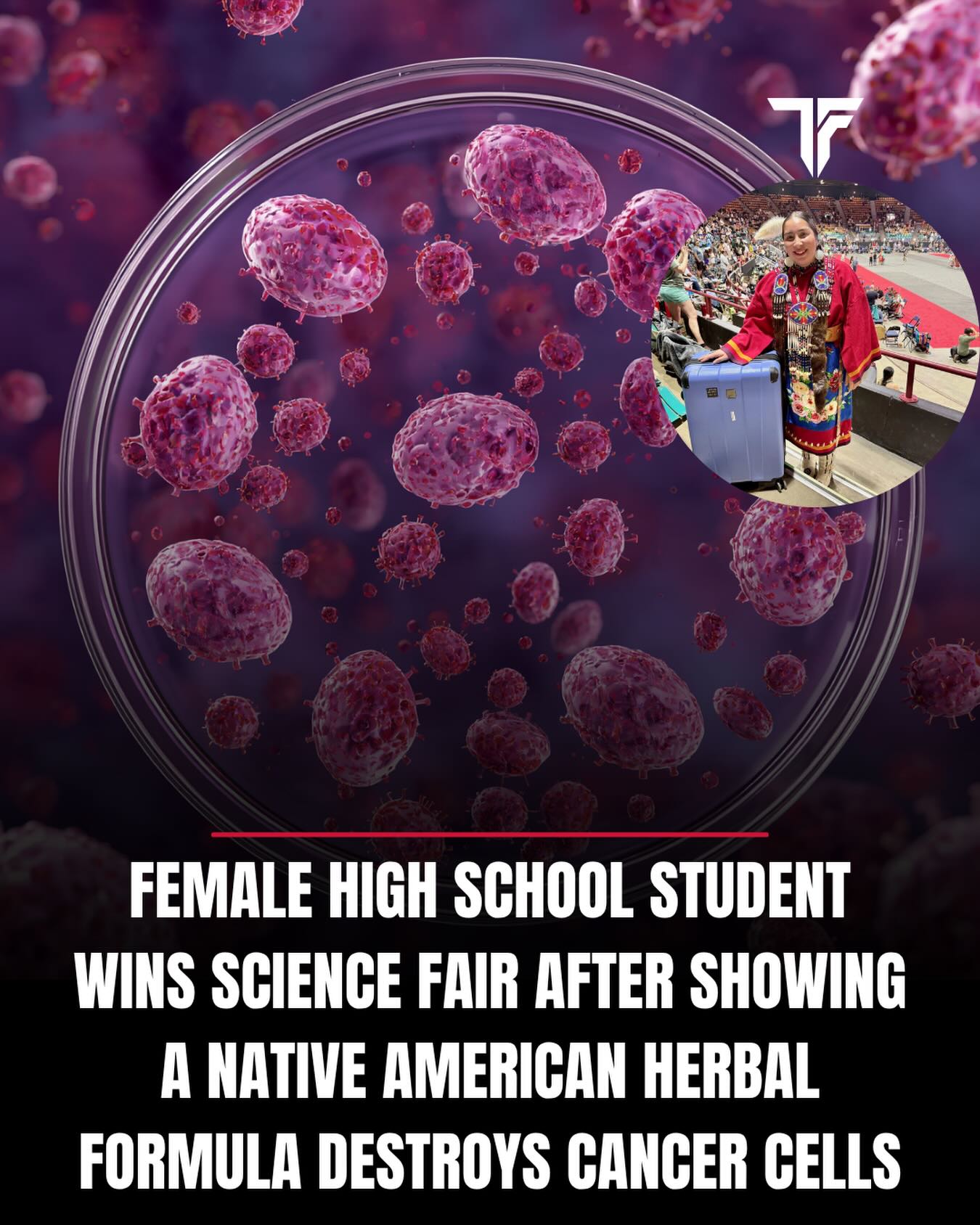
In the heart of the Duck Valley Indian Reservation, a young Shoshone-Paiute researcher named Destany “Sky” Pete has bridged a gap that has long divided modern medicine and Indigenous knowledge. Her investigation into toishabui (traditional chokecherry pudding) isn’t just a win for a science fair—it’s a masterclass in biochemical engineering hidden in plain sight for generations.
The Experiment: Cracking the Code
Growing up, Sky noticed a troubling trend: as her community moved away from traditional diets toward processed, Westernized foods, rates of diabetes and cancer began to climb. Driven by a desire to validate the wisdom of her elders, she partnered with Dr. Ken Cornell at Boise State University to put traditional chokecherry pudding to the test.
The study focused on uterine sarcoma cells, an aggressive form of cancer. Sky tested different variations of the chokecherry:
- The Fruit & Juice: Showed little to no effect on the cancer cells.
- The Traditional Recipe (toishabui): This version, which includes crushed pits, was a game-changer.
Within just 24 hours, the traditional preparation successfully inhibited the growth of the uterine sarcoma cells.
The Science of the Seed
Why did the pits make the difference? Modern science often warns against cherry pits because they contain amygdalin, a compound that can release cyanide. However, the traditional Shoshone-Paiute method involves a specific process of crushing, drying, and cooking.
Sky’s research suggests that this ancient preparation method acts as a sophisticated form of chemical engineering. By crushing the seeds, the medicinal compounds are “unlocked.” When prepared correctly, these compounds appear to target malignant cells without the toxicity associated with raw pits.
“It wasn’t just the berry,” the research implies, “it was the knowledge of the preparation that created the medicine.”
The Secret is in the Crush
For years, Western botanical guidelines have issued a stern warning: Do not eat the pits. Chokecherry (Prunus virginiana) seeds contain cyanogenic glycosides, specifically amygdalin, which can release hydrogen cyanide when ingested.
However, Sky Pete’s research turned this warning on its head. By collaborating with Boise State University, she tested three versions of the traditional pudding against uterine sarcoma cells:
- The Fruit Only: No significant effect on the cancer cells.
- The Juice Only: No significant effect.
- The Traditional Preparation (Crushed Pits included): A dramatic inhibition of cancer cell growth within just 24 hours.
The Chemical Paradox: Toxicity vs. Therapy
How does a known toxin become a targeted treatment? The answer lies in the mechanical activation of the seeds.
When the pits are crushed, the amygdalin comes into contact with the plant’s natural enzymes (beta-glucosidase). This triggers a reaction that releases controlled amounts of hydrogen cyanide. While this sounds dangerous, the traditional Shoshone-Paiute processing method includes air-drying and boiling, which allows the cyanide levels to dissipate to a safe, consumable threshold while retaining the compounds that appear to target malignant cells.
“It’s a natural laboratory process. The ancestral method isn’t just about flavor; it’s about activating a precise medicinal delivery system.”
More Than a Breakthrough: Food Sovereignty
This research arrives at a critical time for the Duck Valley community. Like many Indigenous nations, the Shoshone-Paiute people have faced a shift toward Westernized diets, often due to “food deserts” and the loss of traditional food sources like salmon. This shift has correlated with a rise in chronic diseases, including diabetes and cancer.
By validating that toishabui is active medicine, Sky Pete is helping to reverse a damaging narrative. She is proving that:
- Traditional Ecological Knowledge (TEK) is a rigorous scientific discipline.
- The decline in traditional diets isn’t just a loss of culture; it’s the loss of a preventative healthcare system.
The Path Forward: From Uterine Sarcoma to Breast Cancer
The initial results were so compelling that they’ve opened doors for further clinical inquiry. While the 2017 studies focused on uterine sarcoma, the data suggests that higher concentrations or longer exposure times could yield even more significant results. Preliminary discussions have already begun regarding the pudding’s effectiveness against other aggressive cancers, such as breast cancer.
Sky Pete’s journey—from the Elko County Science Fair to the international stage in Los Angeles—serves as a powerful reminder: The answers to our most modern problems may be tucked away in the recipes of our ancestors.
From Elko to the Global Stage
The impact of Sky’s work was immediate. Her project took home the First Grand Prize at the Elko County Science Fair, standing out among more than 440 competing entries. But the accolades were secondary to the message the research sent to the world: Indigenous knowledge is rigorous, evidence-based science.
Mapping the Path Forward
Sky isn’t stopping at uterine sarcoma. Her success has laid the groundwork for a broader investigation into how traditional foods can combat other forms of the disease.
What’s next for this research?
- Expanding to Breast Cancer: Sky plans to apply her testing protocols to breast cancer cell lines to see if the toishabui maintains its inhibitory effects.
- Revitalizing Native Health: This study is a powerful tool for the Duck Valley community to advocate for food sovereignty, encouraging a return to traditional diets to reverse chronic health trends.
- Clinical Collaboration: By continuing her work with Boise State, Sky is helping to create a new model for how universities and tribal nations can collaborate respectfully and effectively.
Summary of Findings
| Component | Preparation | Result on Cancer Cells |
| Flesh/Juice | Standard Extraction | Ineffective |
| Whole Seed | Intact | Potentially Toxic/Ineffective |
| Traditional Toishabui | Crushed, Dried, Boiled | Significant Cell Inhibition |
This research continues to be a beacon for Indigenous students in STEM, proving that you don’t have to leave your culture behind to change the world of science.
The Bigger Picture
Sky Pete’s work reminds us that while modern medicine looks to the future for cures, some of the most potent answers may already exist in our history. By honoring her heritage and applying the scientific method, Sky has proved that for the Shoshone-Paiute people, the path to health is a return to their roots—one crushed seed at a time


